Published October 20, 2026 at 8:08 PM EDT
ETH Zurich explores biocementation using bacteria to create architectural elements with reduced environmental impact.
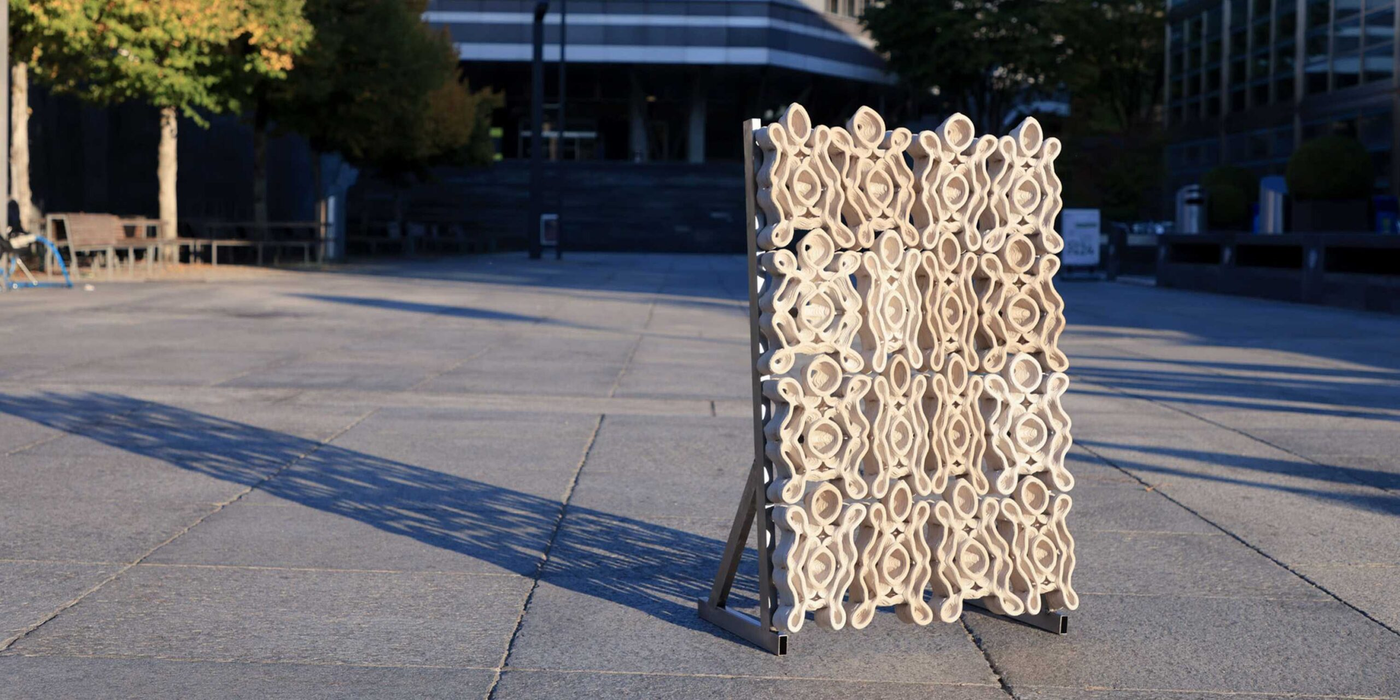
ETH Zurich has developed a method to 3D print architectural elements using bacteria. The process involves binding sand together through the formation of calcium carbonate via microbiologically induced calcite precipitation (MICP). This technique has been explored for applications such as self-healing concrete and soil erosion control. The research focuses on creating sustainable building materials that reduce reliance on traditional construction methods. By using bacteria, the process offers an alternative to energy-intensive cement production, aligning with global efforts to lower carbon emissions.
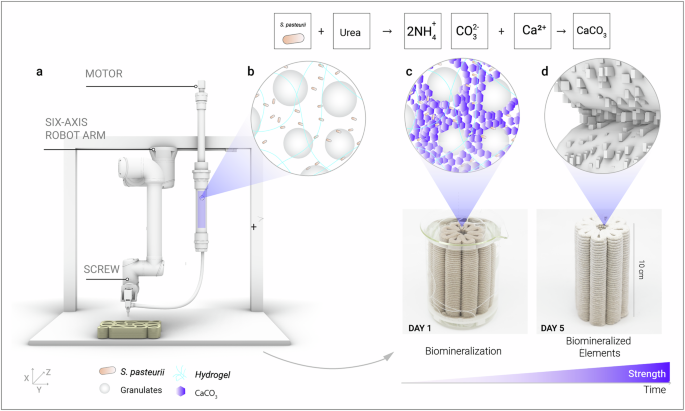
The bacteria used, Sporosarcina pasteurii, precipitates calcium carbonate by hydrolyzing urea, producing carbonate and ammonia. This biological process creates a mineral glue that solidifies sand into a durable material. The method is part of a broader effort to develop sustainable construction materials. The bacterium’s ability to produce urease enables it to break down urea into carbonate and ammonia, which then form calcium carbonate. This process is both efficient and environmentally friendly, using readily available resources.
Bacteria-Based Construction Process
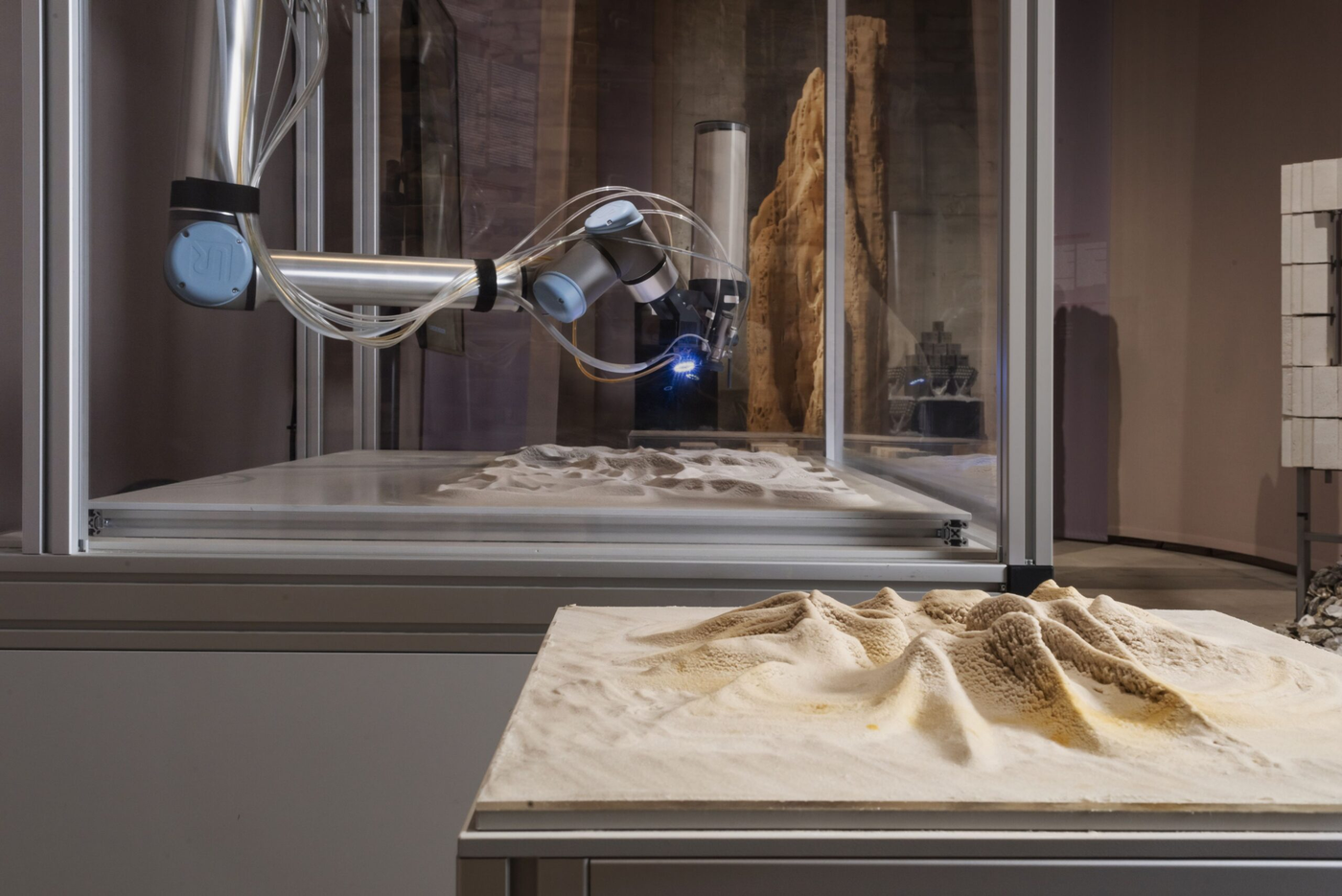
The biocementation process uses a hydrogel ink containing bacteria, which is printed into a mold and then placed in a urea and calcium chloride bath. The bacteria feed on the urea, leading to the formation of calcium carbonate crystals that bind the material together. This method requires minimal energy and uses widely available ingredients. The hydrogel ink provides a stable medium for the bacteria, allowing them to function effectively during the printing process. The resulting material is both strong and sustainable.
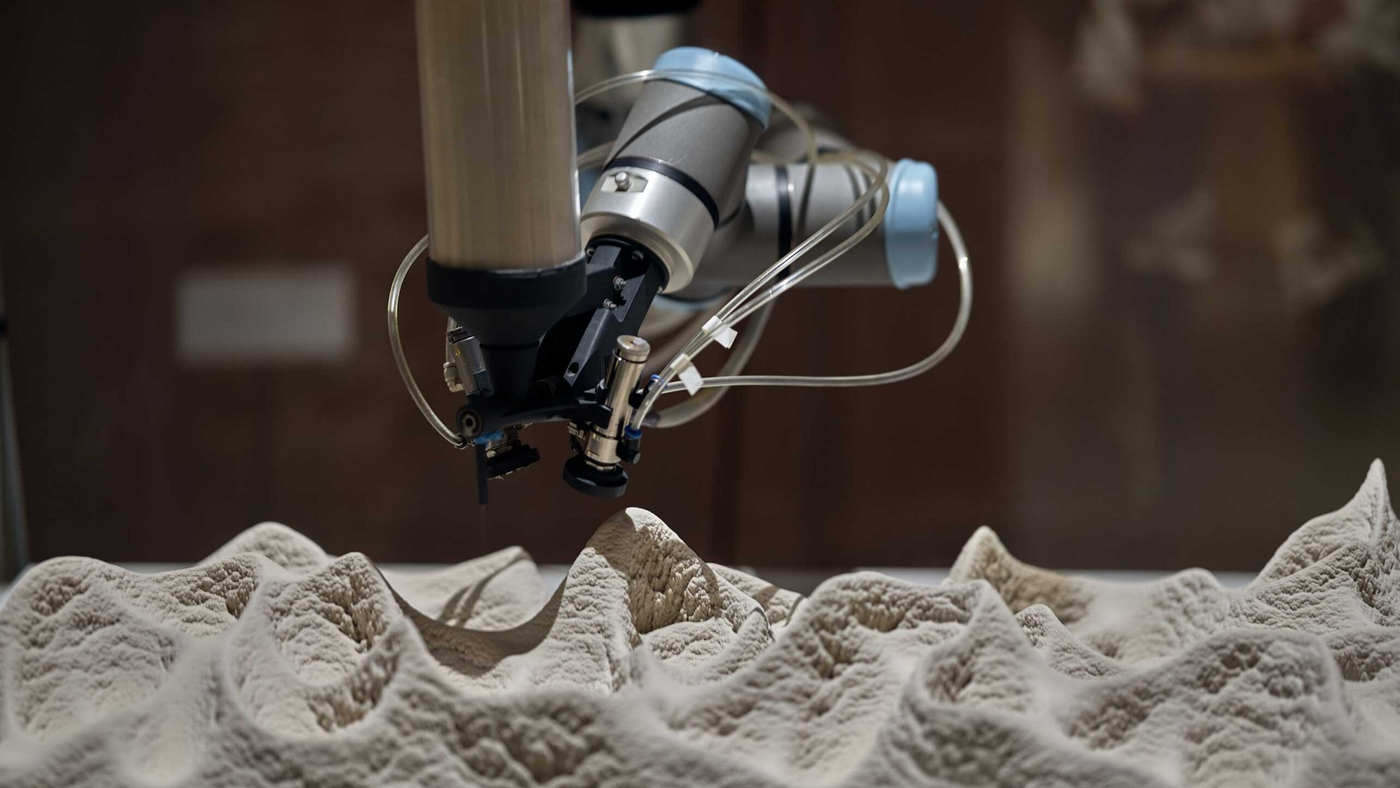
The process takes up to five days, with much of the time spent in a maturation phase. The final product is a hardened structure that dries and becomes inert. This approach is compared to baking a cake, where the initial mixture is malleable but becomes solid after a specific treatment. The maturation phase allows the calcium carbonate to fully form and stabilize, ensuring the structural integrity of the printed elements. This method offers a controlled and predictable way to create durable architectural components.
Material Composition and Function
Sporosarcina pasteurii is a gram-positive bacterium capable of forming endospores, allowing it to survive in harsh conditions. It thrives in alkaline environments and is non-pathogenic, making it suitable for construction applications. The bacterium’s ability to produce urease enables it to break down urea into carbonate and ammonia. Its resilience and adaptability make it an ideal candidate for use in construction materials that require long-term stability and performance.
The bacteria’s metabolic activity leads to the precipitation of calcium carbonate, which strengthens the material. This process has been studied for its potential in creating materials stronger than bone when combined with other substances. The use of bacteria in construction could reduce reliance on traditional cement. The resulting material is not only strong but also environmentally sustainable, offering a viable alternative to conventional building materials.
Research into biocementation has shown that it can reduce CO₂ emissions by up to 37–38% compared to Portland cement. This is due to the use of ambient conditions and the potential for using industrial by-products as cultivation media. The environmental benefits make it an attractive alternative for sustainable construction. By reducing the carbon footprint of construction materials, this method supports global efforts to combat climate change and promote eco-friendly building practices.
Environmental and Industrial Implications
The 3D biocement printing process allows for the creation of inorganic materials at a decimeter scale. This method offers greater control over the geometry and material performance of large structures, addressing previous limitations in scaling up MICP-based building materials. The ability to create complex and customized architectural elements opens new possibilities for sustainable construction. This innovation could revolutionize the way buildings are designed and constructed.
The integration of living organisms into printable materials opens new possibilities for functional and structural applications. This approach could lead to the development of self-healing or adaptive building components, enhancing the durability and sustainability of construction projects. By incorporating biological processes into construction materials, researchers are exploring new ways to create resilient and environmentally friendly structures.
The research at ETH Zurich highlights the potential of biocementation in architectural design. By using bacteria to create structural elements, the process could enable new forms of construction that are both environmentally friendly and structurally sound. This method offers a sustainable alternative to traditional construction techniques, promoting innovation in the building industry. The results of this research could have far-reaching implications for future construction practices.
Future Applications and Research
The use of Sporosarcina pasteurii in construction is still in the experimental phase. Further research is needed to optimize the process and ensure long-term stability. However, the initial results suggest a promising direction for sustainable building practices. Ongoing studies aim to refine the method and explore its full potential in various construction applications. This research represents a significant step toward more sustainable and efficient building solutions.
This innovation could have significant implications for the construction industry, offering an alternative to traditional materials with lower environmental impact. The development of 3D-printed biocement structures may lead to new applications in architecture and civil engineering. As the technology advances, it has the potential to transform the way buildings are constructed, making the process more sustainable and efficient.
Log in to leave a reply. Every comment is moderated before it appears publicly.