Published October 31, 2026 at 8:32 AM EDT
Studio 3e8’s Mesa 1 aims to simplify desktop metal 3D printing with an integrated sintering furnace and a two-material workflow.
A New Approach to Desktop Metal Printing
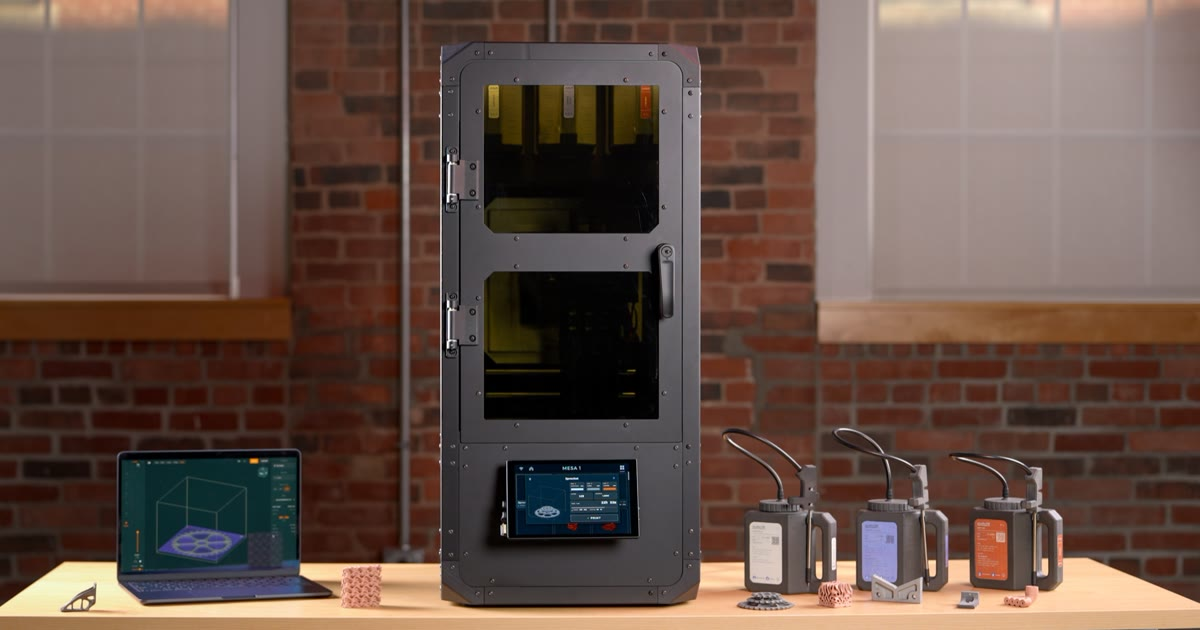
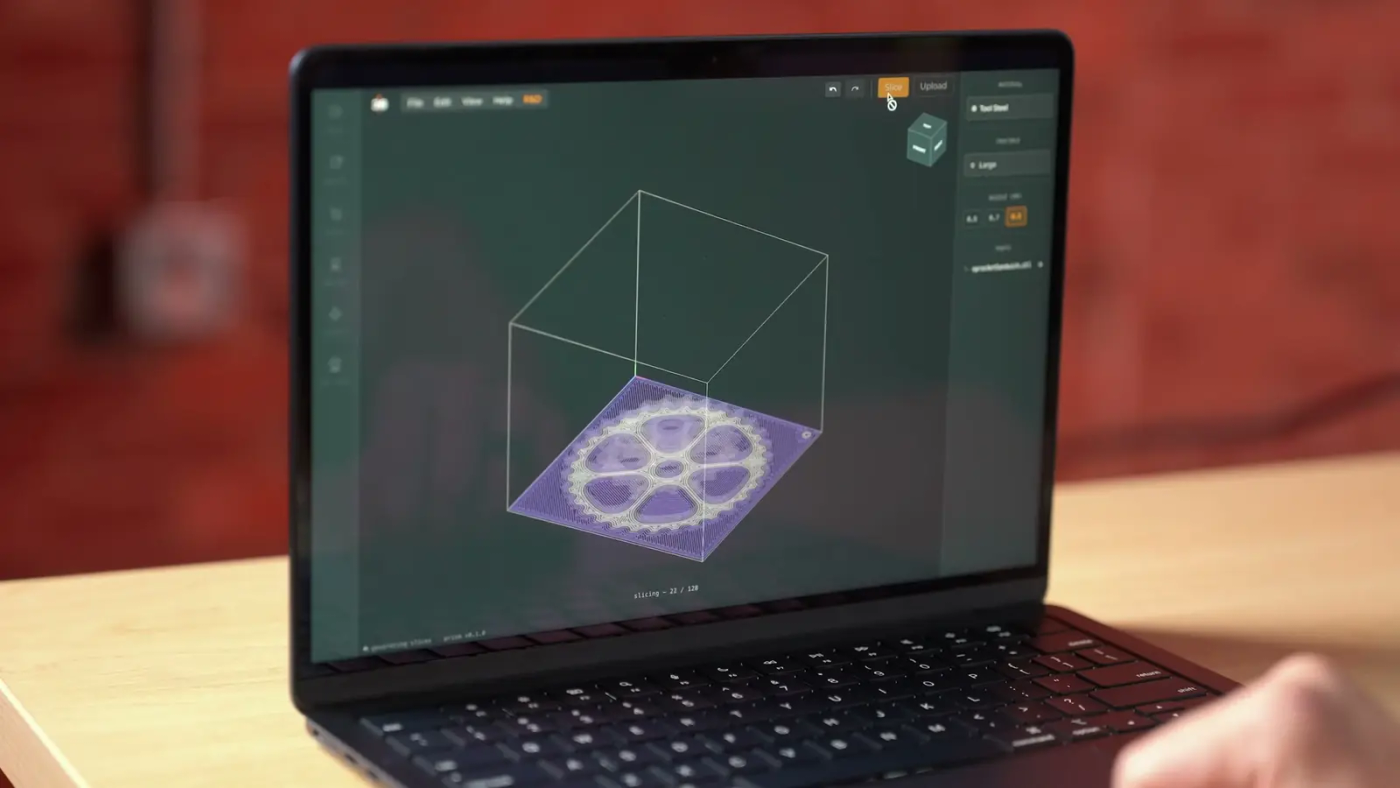
The Mesa 1 uses a three-step workflow: Slice, Shape, and Solid. The Slice step involves a software tool that splits each print into two materials—metal and a scaffold. This two-material approach is central to the design, as it allows the scaffold to hold the metal part in place during printing without the need for additional supports. The Shape step involves the printer depositing both materials from sealed powder cartridges, ensuring a controlled and safe environment. This step is designed to reduce the complexity of the printing process.
The Solid step is where the Mesa 1 differs most from existing desktop metal setups. After printing, the part is automatically sintered in a built-in furnace. This process transforms the printed part into dense metal without requiring the user to handle loose powder or move the part between machines. The furnace is integrated into the printer, reducing the complexity of the workflow and minimizing exposure to metal powders. This step is a key innovation in the device’s design.
The Three-Step Workflow of the Mesa 1
The scaffold material plays a key role in the Mesa 1’s design. It surrounds the metal part during printing, providing structural support without the need for traditional supports. This eliminates the need for careful part orientation or soluble support filaments, which are common in plastic 3D printing. The scaffold is designed to dissolve or burn away during the sintering process, leaving only the final metal part. This feature is intended to simplify the post-processing steps.
The Mesa 1 is described as a patent-pending system that combines software, hardware, and materials into a single solution. The company states that the device runs on a standard 120 V wall outlet, making it accessible for home and small workshop use. The initial material lineup includes carbon steel and copper, with plans to expand to other metals in the future. This focus on accessibility is a key part of the device’s value proposition.
Studio 3e8 has been developing the Mesa 1 for three years, with the team consisting of MIT graduates and 3D printing professionals. The company aims to reduce the barriers to entry for metal 3D printing by simplifying the workflow and minimizing the need for specialized equipment. The team has emphasized the importance of safety and ease of use in their design, particularly in handling metal powders. This focus on user experience is a central part of the product’s development.
Simplifying the Sintering Process
The Mesa 1 is set to launch on Kickstarter on December 1st, with orders starting at $3,500. The campaign has generated interest from the 3D printing community, with VoxelMatters noting the project’s originality and credibility. The company has not yet provided details on the availability of the device beyond the Kickstarter launch, but the focus is on making metal 3D printing more accessible to a wider audience. This launch strategy is intended to build momentum and support for the product.
The device is designed to avoid the use of lasers, binders, and loose powder, which are common in other metal 3D printing methods. Instead, it relies on a closed-loop system that uses sealed powder cartridges and an integrated furnace. This approach is intended to reduce the complexity and risk associated with handling metal powders, which can be hazardous if not managed properly. The design aims to make metal printing safer and more user-friendly.
The workflow of the Mesa 1 is intended to be more user-friendly than traditional metal 3D printing methods. Users can slice their models on a laptop, upload the file to the printer, and let the machine handle the rest. The system is designed to minimize the need for manual intervention, making it suitable for hobbyists and small-scale manufacturers who may not have access to advanced equipment. This ease of use is a key selling point for the device.
The Role of the Scaffold Material
The Mesa 1 is part of a broader trend in 3D printing that seeks to simplify the process of creating metal parts at home. While compact metal 3D printers exist, they often require additional steps such as debinding and sintering, which can be time-consuming and complex. The Mesa 1 aims to eliminate these steps by integrating them into a single device. This integration is a significant innovation in the field of desktop metal printing.
The company has not provided specific details on the performance of the Mesa 1, such as print speed or resolution. However, the focus on a simplified workflow and integrated sintering suggests that the device is designed for practical, everyday use rather than high-volume production. The emphasis is on making metal 3D printing more approachable for a wider range of users. This focus on practicality is a key aspect of the product’s design philosophy.
The Mesa 1 represents a new direction in desktop metal 3D printing, with the potential to change how users approach the process. By integrating sintering into the printer and eliminating the need for separate steps, the device could make metal printing more accessible and less intimidating for those new to the field. This innovation has the potential to expand the reach of metal 3D printing to a broader audience.
Log in to leave a reply. Every comment is moderated before it appears publicly.