Published November 3, 2026 at 7:07 PM EST
Bambu Lab introduces the H3C 3D printer, featuring a multi-toolhead system and integrated filament management.
Bambu Lab has launched the H3C 3D printer, priced at $2,499. The device is designed to compete with other multi-material 3D printers in the market. It features a nine-toolhead Swaptek exchanger, allowing for quick material changes. The H3C represents a strategic move for Bambu to strengthen its position in the 3D printing industry. The printer is positioned as a high-end solution for users requiring advanced material handling and precision. It is intended to serve both professional and enthusiast markets, offering a blend of automation and flexibility.
Introduction to the H3C 3D Printer
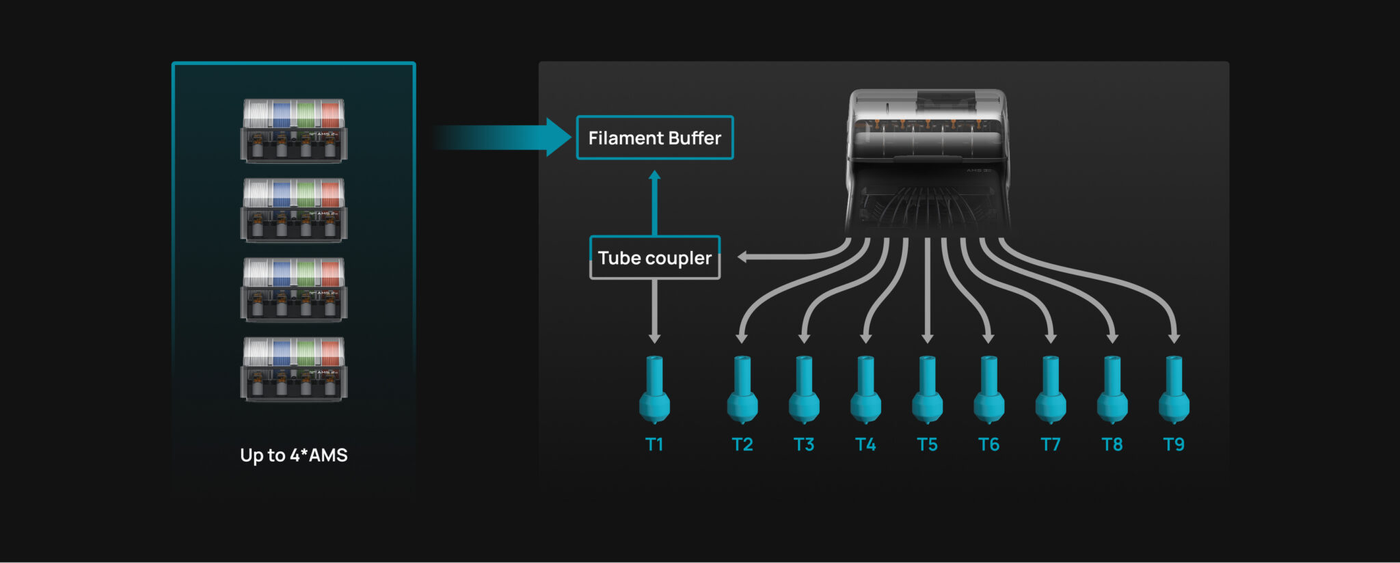
The H3C includes an automated filament management system called AMS 3H. This system detects, routes, and engages filament automatically across nine slots. Users can load a filament into any slot, and the printer handles the rest. The system also includes a dedicated dryer that reaches 85°C, suitable for drying engineering-grade filaments. This feature ensures that materials are properly prepared before printing, reducing the risk of print failures due to moisture. The system is designed to integrate seamlessly with existing Bambu Lab AMS units, expanding the range of materials available.
The printer supports up to 24 filament spools when connected to existing Bambu Lab AMS units. This allows for a wide range of materials and colors in a single print without disrupting the workflow. The H3C integrates filament storage and drying into a compact design, reducing the need for external racks or exposed filament paths. This streamlined approach enhances the user experience by minimizing clutter and improving workflow efficiency. The system is particularly beneficial for users who require frequent material changes during complex prints.
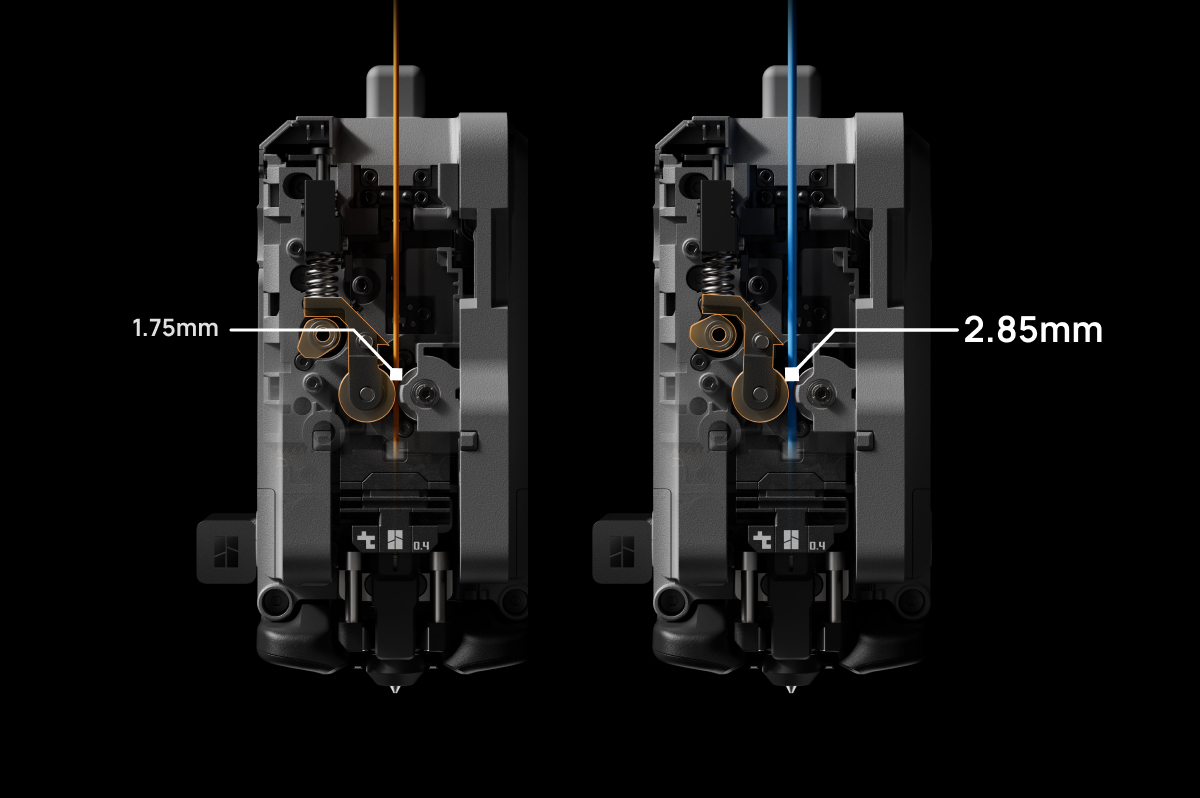
The H3C has a dedicated flexible materials extruder that can print TPU up to 75A. This toolhead is compatible with both 1.75 mm and 2.85 mm filaments, offering flexibility in material choice. The thicker filament allows for 300% flow, which can improve printing speed and performance with soft materials. This feature addresses a common challenge in 3D printing, where flexible filaments can be difficult to handle. The extruder is designed to maintain consistent performance, ensuring reliable results even with challenging materials.
Multi-Toolhead and Filament Management
Each toolhead on the H3C preloads and keeps filament heated for quick swaps. This feature aims to reduce downtime during printing. The system also preheats nozzles just in time for printing, ensuring efficient operation. A rack is included to keep all the tubes organized and in line. This design helps maintain a clean and efficient workspace, reducing the risk of tangled or misaligned filaments. The automated system minimizes the need for manual intervention, making the printing process more user-friendly.
The H3C offers 50 μm motion accuracy, which is maintained over extended periods. This level of precision is important for detailed and complex prints. The printer is also designed to handle high temperatures, with cooling at every level to ensure stable performance, even in warm environments. The cooling system is essential for maintaining the integrity of the print and preventing overheating, which can lead to warping or other defects. This feature makes the H3C suitable for a wide range of applications, from prototyping to production.
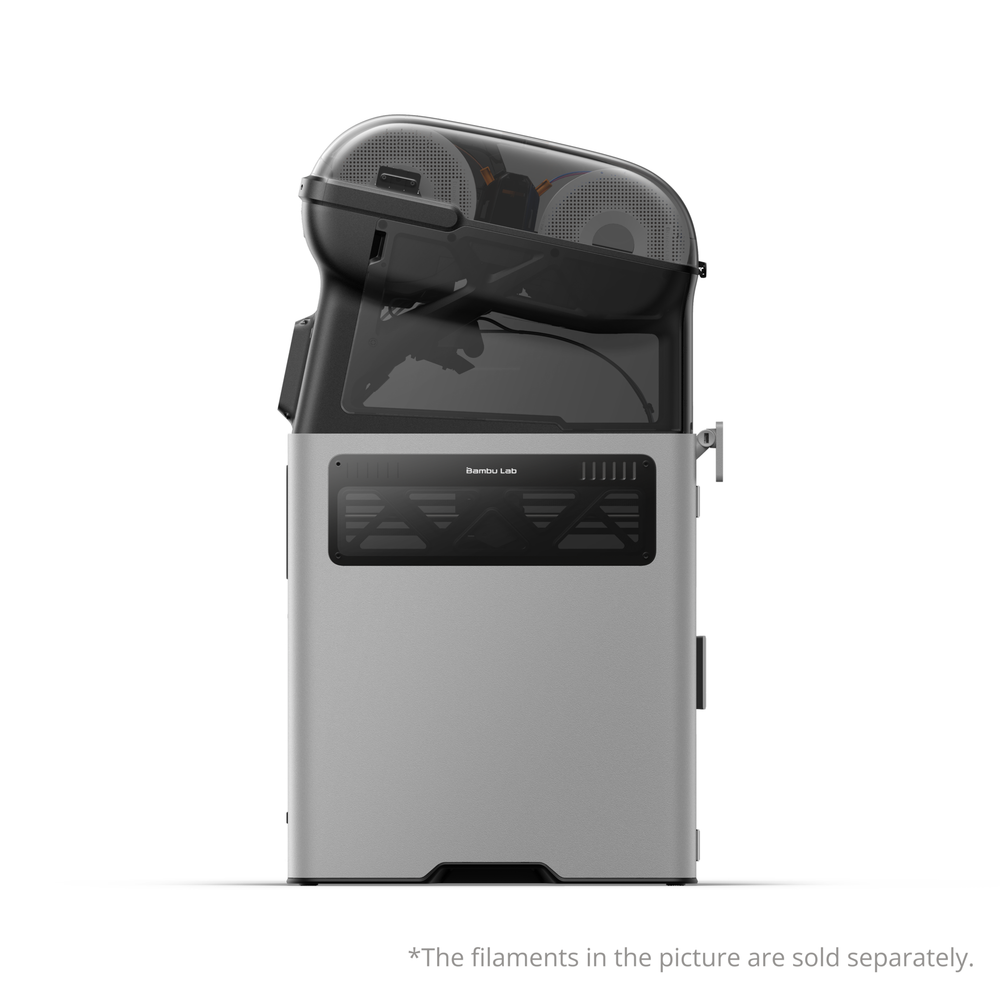
The H3C includes a nine-tool system that calibrates automatically every time. This ensures consistent performance and reduces the need for manual adjustments. The printer also features an air filtration system that helps maintain a cleaner workspace by reducing odors and unwanted particles. This system is particularly beneficial for users working in enclosed spaces or environments where air quality is a concern. The filtration system contributes to a more pleasant and healthier working environment.
Technical Features and Design
Bambu Lab is the largest 3D printing company by revenue, with over $1.2 billion in annual sales. However, the company faces competition from other Chinese firms and international players. The H3C is intended to reinforce Bambu’s position in the market and counter the growing presence of competitors. The printer is part of Bambu’s strategy to expand its product line and cater to a broader range of users. By offering advanced features and automation, Bambu aims to differentiate itself from other manufacturers.
The H3C’s multi-toolhead system allows for printing with multiple materials in a single print. This capability is particularly useful for creating complex parts with different properties. The system also supports blending multiple filaments to achieve custom color shades without manual spool swaps. This feature enhances the creative possibilities for users, allowing them to produce more intricate and visually appealing prints. The ability to blend materials also opens up new applications in fields such as product design and engineering.
Comparisons and Industry Context
Compared to other multi-material printers, the H3C offers a streamlined workflow with automated filament handling. This reduces the need for manual intervention and can improve efficiency. However, the system still faces challenges related to material compatibility and nozzle design. Some materials may require specific settings or adjustments to achieve optimal results. The printer’s design aims to address these challenges by providing a flexible and adaptable platform for users.
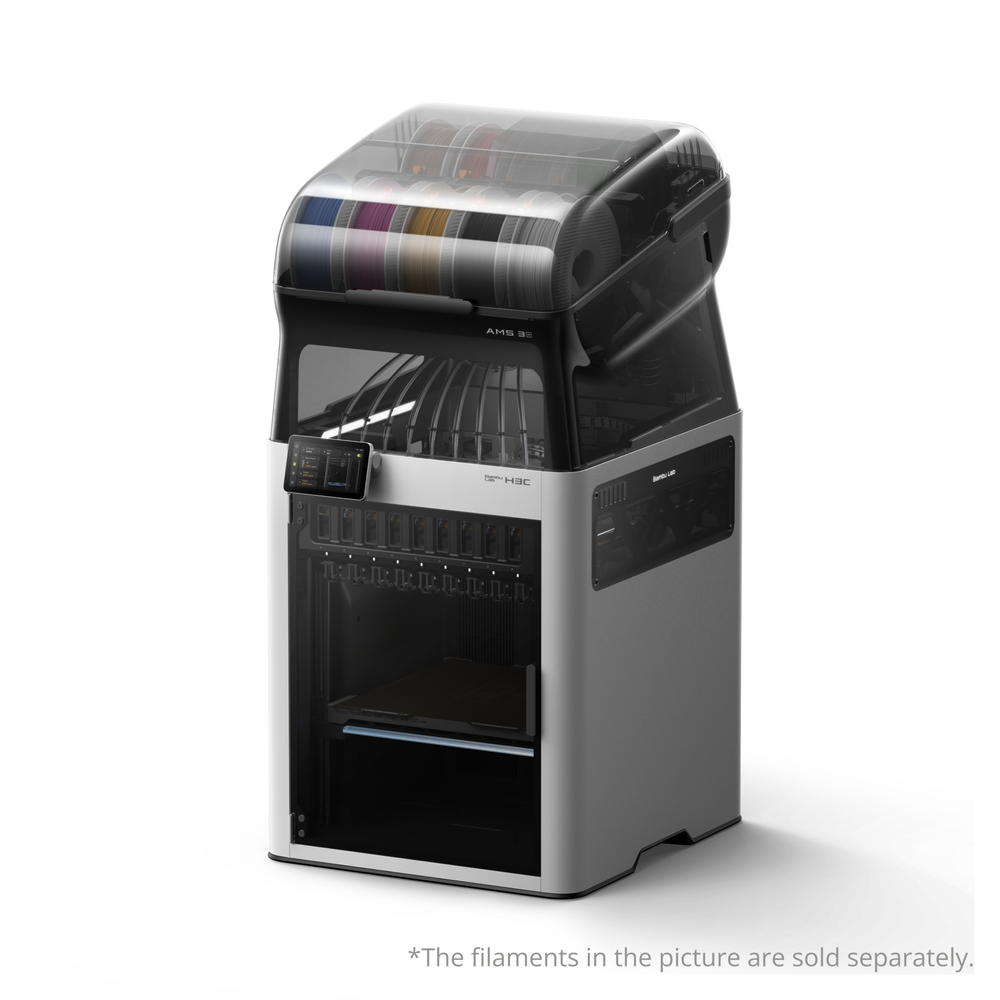
The H3C’s design emphasizes integration and compactness, making it suitable for small workspaces. The printer maintains a footprint similar to a single-nozzle model, which is beneficial for users with limited space. The automated features and integrated drying system contribute to a more efficient and user-friendly experience. This design makes the H3C an attractive option for users who need a powerful yet compact 3D printer for their workspace.
The H3C represents a significant advancement in multi-material 3D printing technology. Its features aim to address common challenges in the industry, such as material management and workflow efficiency. The printer is designed for users who require flexibility and precision in their 3D printing projects. By combining automation with advanced material handling, the H3C sets a new standard for multi-toolhead 3D printers, offering a comprehensive solution for a wide range of applications.
Log in to leave a reply. Every comment is moderated before it appears publicly.