Published October 24, 2026 at 10:20 PM EDT
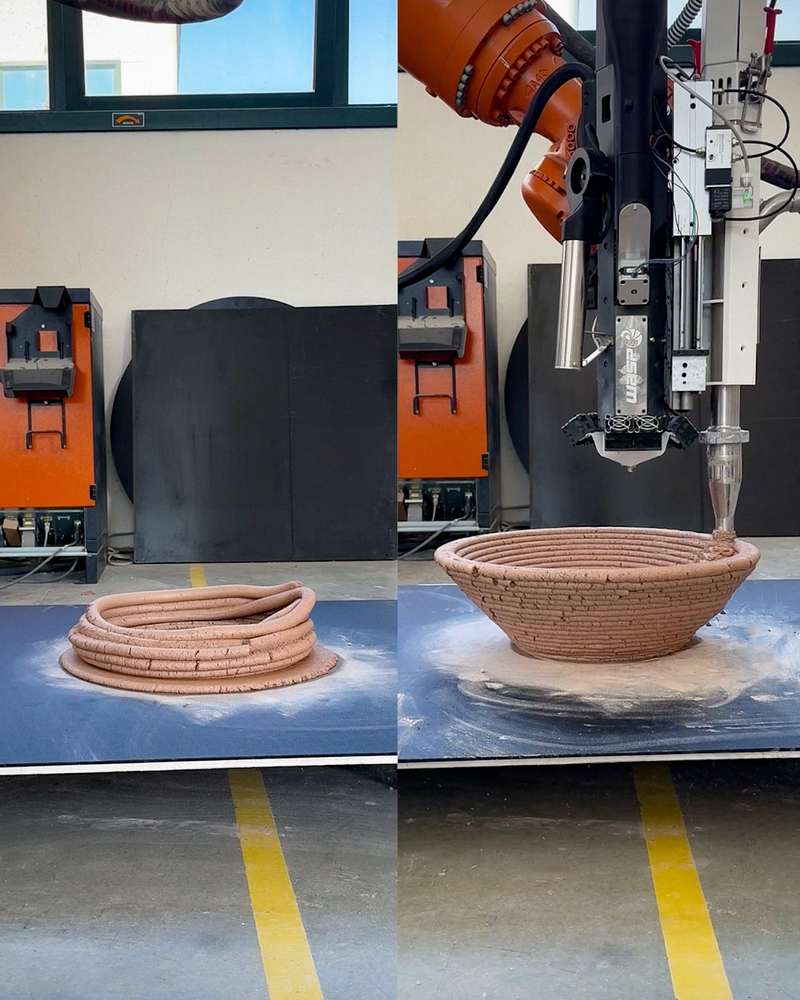
WASP has introduced a dual extrusion system that enables the 3D printing of structures combining earth-based materials and plastic reinforcement. The technology is designed to allow the two materials to be separated at the end of the object’s life, supporting recyclability. This innovation aims to address the limitations of traditional composites, which are often difficult to disassemble and recycle. By integrating both materials in a single printing process, WASP is exploring new possibilities for sustainable construction and material use.
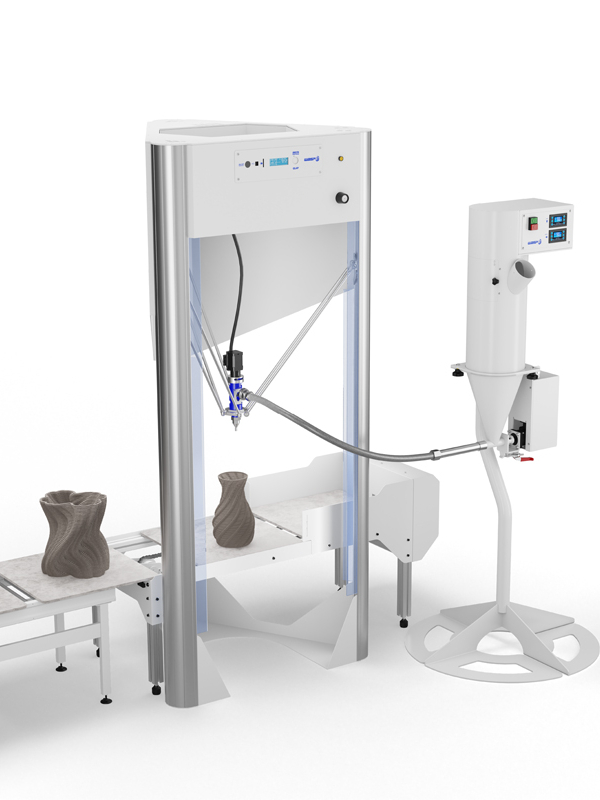
The system integrates Liquid Deposition Modeling (LDM) and Fused Granulate Fabrication (FGF) processes. LDM is used for depositing earth-based paste, while FGF handles thermoplastic materials. The dual extrusion system alternates between these methods layer by layer during printing. This approach allows for precise control over the placement of each material, ensuring that the structural integrity of the printed object is maintained. The combination of these two techniques represents a significant advancement in hybrid material 3D printing.
WASP unveils a dual extrusion system that combines earth and plastic materials for reversible 3D printing, aiming to improve structural integrity and recyclability.
WASP Launches Dual Extrusion for Earth and Plastic 3D Printing
WASP’s approach allows for the inclusion of plastic reinforcement in earth structures, which helps prevent material collapse during fabrication. This enables the creation of more complex geometries that would be difficult to achieve with earth-based materials alone. The use of plastic layers provides additional support, allowing for the production of intricate designs that would otherwise be unstable. This development expands the potential applications of 3D printing in construction and design.
The company has explored LDM and FGF technologies since 2012, developing systems around both processes. The dual extrusion system represents an advancement in combining these methods for a single printing process. Over the years, WASP has refined its understanding of both technologies, leading to the development of this innovative system. The integration of LDM and FGF into a single platform demonstrates the company’s commitment to pushing the boundaries of 3D printing capabilities.
How the Dual Extrusion System Works
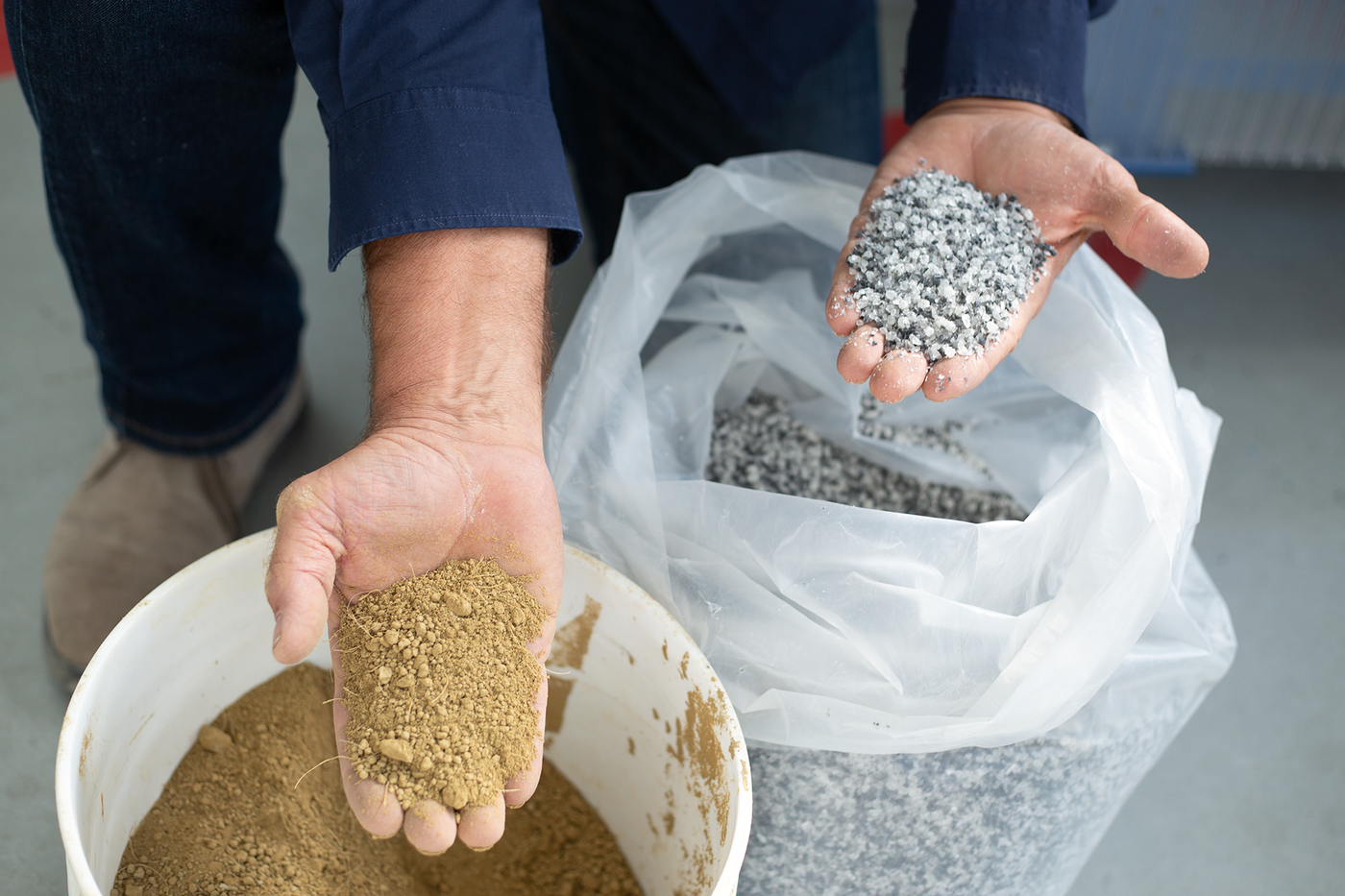
WASP has tested recycled PLA in its initial experiments, though the full range of compatible polymers has not been specified. The company aims to expand the use of sustainable materials in its printing solutions. By using recycled materials, WASP is contributing to a more circular economy in the 3D printing industry. This focus on sustainability aligns with broader environmental goals and highlights the company’s dedication to responsible material use.
The reversible composite system is intended to address challenges in material recovery. Unlike conventional composites, which are difficult to separate, WASP’s method allows for the removal of plastic layers from the earth-based structure at the end of the object’s life. This reversible design makes it easier to recover and reuse both materials, reducing waste and promoting recycling. The system’s ability to separate materials at the end of their life cycle is a key advantage over traditional composite materials.
The dual extrusion system is part of WASP’s broader efforts to develop sustainable 3D printing solutions. The company has previously focused on ceramic, construction, and pellet-based 3D printing technologies. This new system builds on that foundation, introducing a new dimension to sustainable manufacturing. By combining earth and plastic materials, WASP is exploring new ways to reduce environmental impact while maintaining structural performance.
Material Compatibility and Recycling Potential
WASP’s website highlights its range of 3D printers, including systems for construction, ceramics, and plastic pellet printing. The dual extrusion technology represents an extension of these capabilities into hybrid material printing. The company’s diverse product line reflects its commitment to innovation across multiple industries. This new system is expected to open up new opportunities for applications in construction, architecture, and environmental design.
The company emphasizes its commitment to innovation and sustainability, stating that its goal is to use 3D printing to address environmental challenges. The dual extrusion system aligns with this vision by promoting material recovery and reuse. WASP’s focus on sustainability is evident in its ongoing research and development efforts. The company continues to explore ways to make 3D printing more environmentally friendly and resource-efficient.
WASP has not provided details on the availability or pricing of the dual extrusion system. The company has also not specified the exact applications or industries that will benefit from this technology. While the system is still in development, its potential impact on various sectors remains to be seen. Further information about its commercial availability and specific use cases is expected in the future.
WASP’s History with 3D Printing Technologies
The system’s potential impact on construction and material science remains to be seen. While the company has demonstrated the concept, further development and testing may be required before it becomes widely available. The success of the dual extrusion system will depend on its performance in real-world applications and its ability to meet industry standards. Ongoing research and refinement will be essential to its long-term viability.
WASP’s ongoing research into material compatibility and recyclability suggests that the dual extrusion system could influence future 3D printing practices. The company’s focus on reversible composites may inspire new approaches to sustainable manufacturing. By prioritizing material recovery and reuse, WASP is contributing to a more sustainable future for 3D printing. The long-term impact of this technology on the industry remains to be determined.
Log in to leave a reply. Every comment is moderated before it appears publicly.