Published August 30, 2026 at 1:50 AM EDT
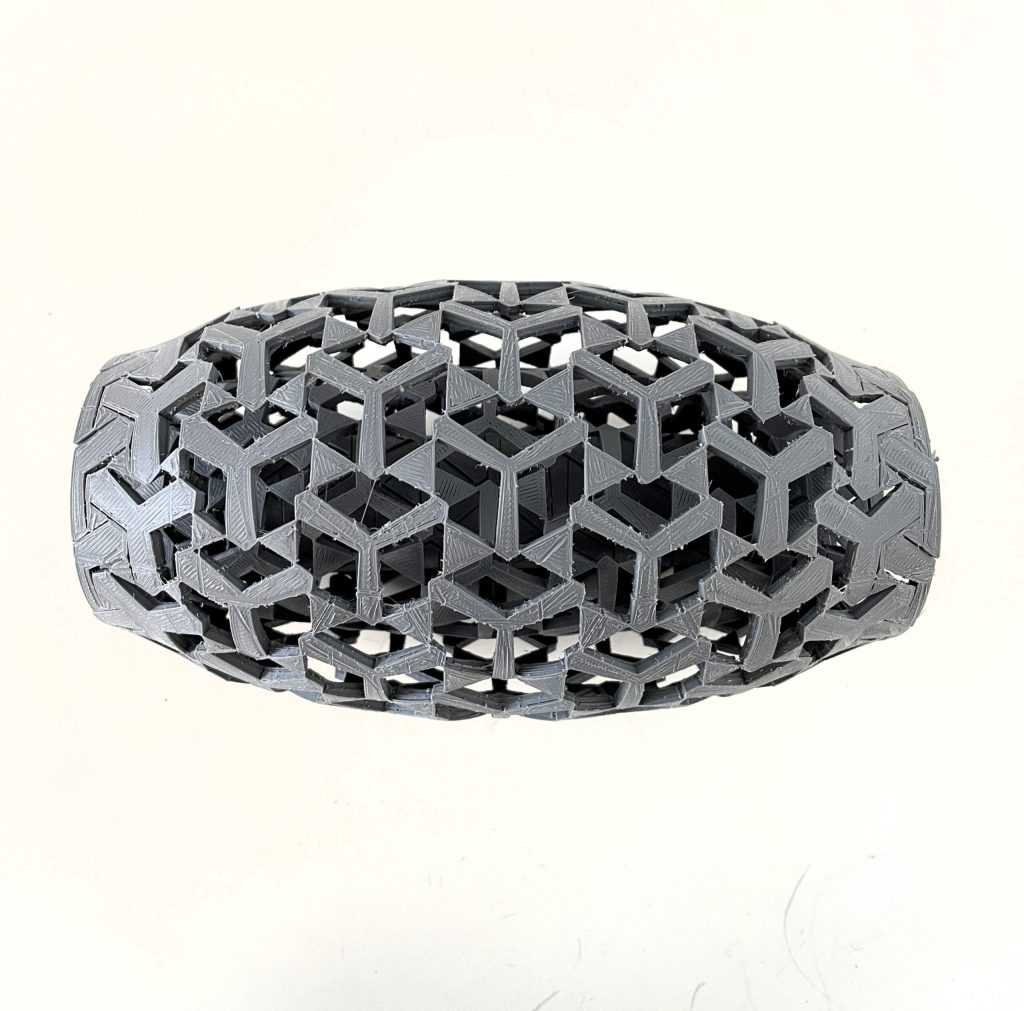
Deakin University researchers have developed a new class of 3D-printed cylinders that can dynamically change shape and absorb energy, opening doors for advanced engineering and medical applications.
Did you know that 3D-printed cylinders could morph like a puzzle? Researchers at Deakin University and Seoul National University have created meta-cylinders that can shift into multiple states, mimicking the behavior of a Pringles top. By programming the material’s structure, these cylinders can stretch, compress, or even fold, offering unprecedented adaptability.
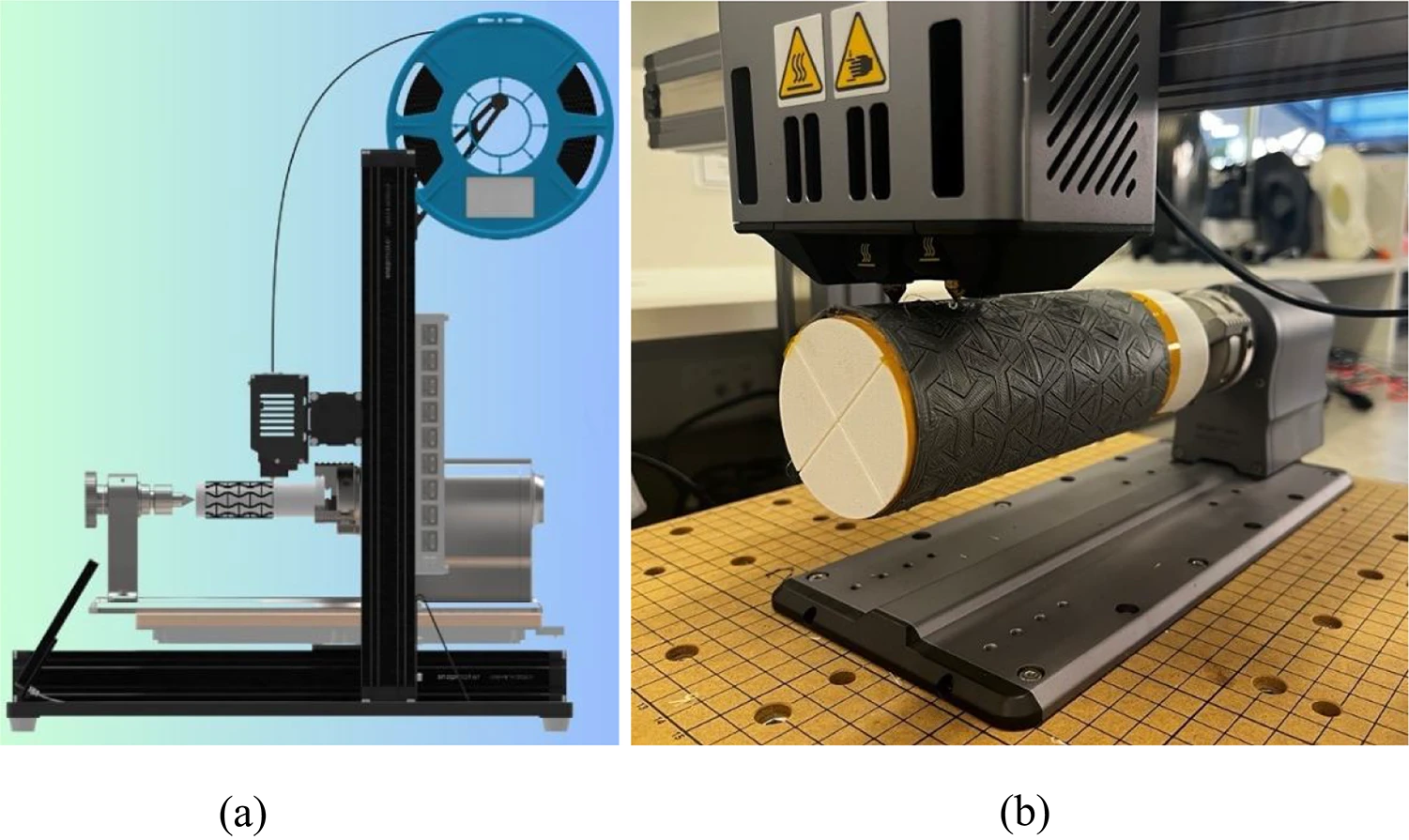
The innovation lies in combining Kirigami patterns with 3D printing, allowing the cylinders to “program” their own mechanics. The process involves rotating a printed shaft, which enables the material to form stable, multistable shapes. This approach leverages morphology as a mechanical “program,” turning a simple print into a functional, self-adjusting system.
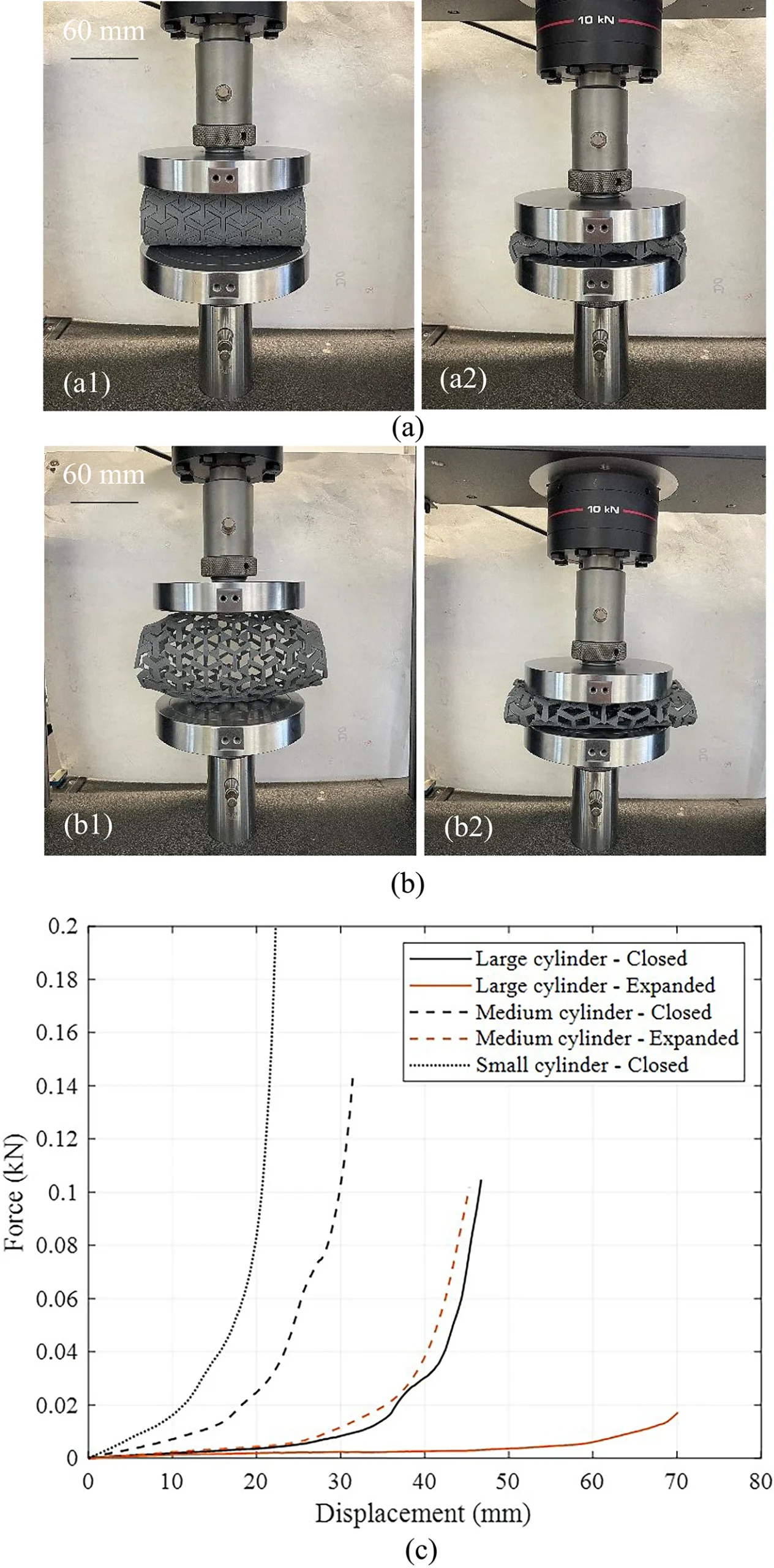
The cylinders are printed using a rotating shaft, reducing assembly time while optimizing strength and surface smoothness. The programmable lattice structure allows for tailored properties, such as varying stiffness or energy absorption, making them suitable for applications like aerospace, robotics, or medical devices. The open-access paper details how the material responds to external forces, enabling real-time adaptation.
Unlike traditional rigid structures, these meta-cylinders can “snap” into different states, mimicking biological systems. The ability to customize cell shapes, wall thickness, and diameter means the material can be fine-tuned for specific tasks. This flexibility makes it ideal for scenarios requiring dynamic behavior, from self-repairing infrastructure to adaptive prosthetics.
The research highlights a paradigm shift in 3D printing, where material properties are no longer fixed but programmable. By treating morphology as a design language, engineers can create objects that respond to their environment, pushing the boundaries of what 3D printing can achieve. As the paper notes, this work could inspire new tools for solving complex mechanical challenges in fields ranging from robotics to sustainable design.
Log in to leave a reply. Every comment is moderated before it appears publicly.