Published October 17, 2026 at 8:29 AM EDT
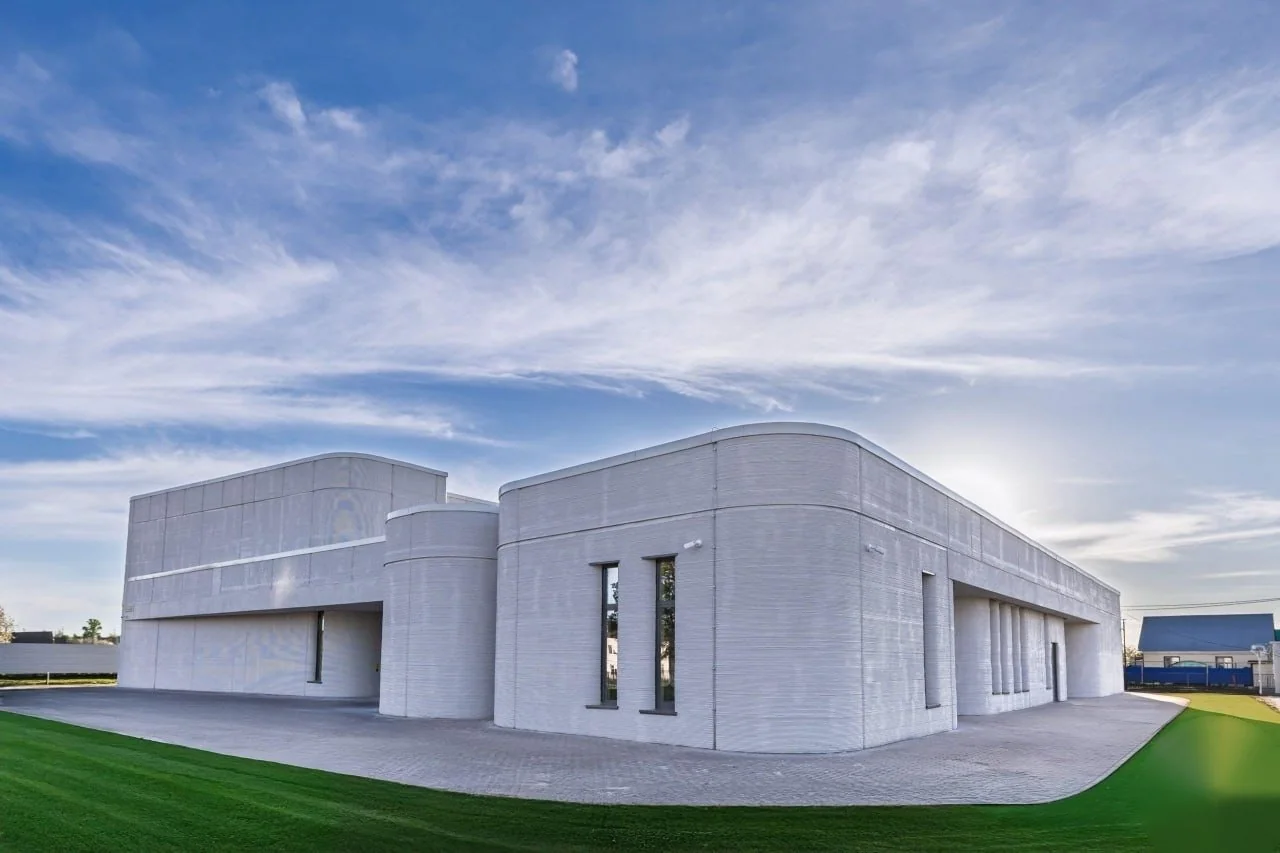
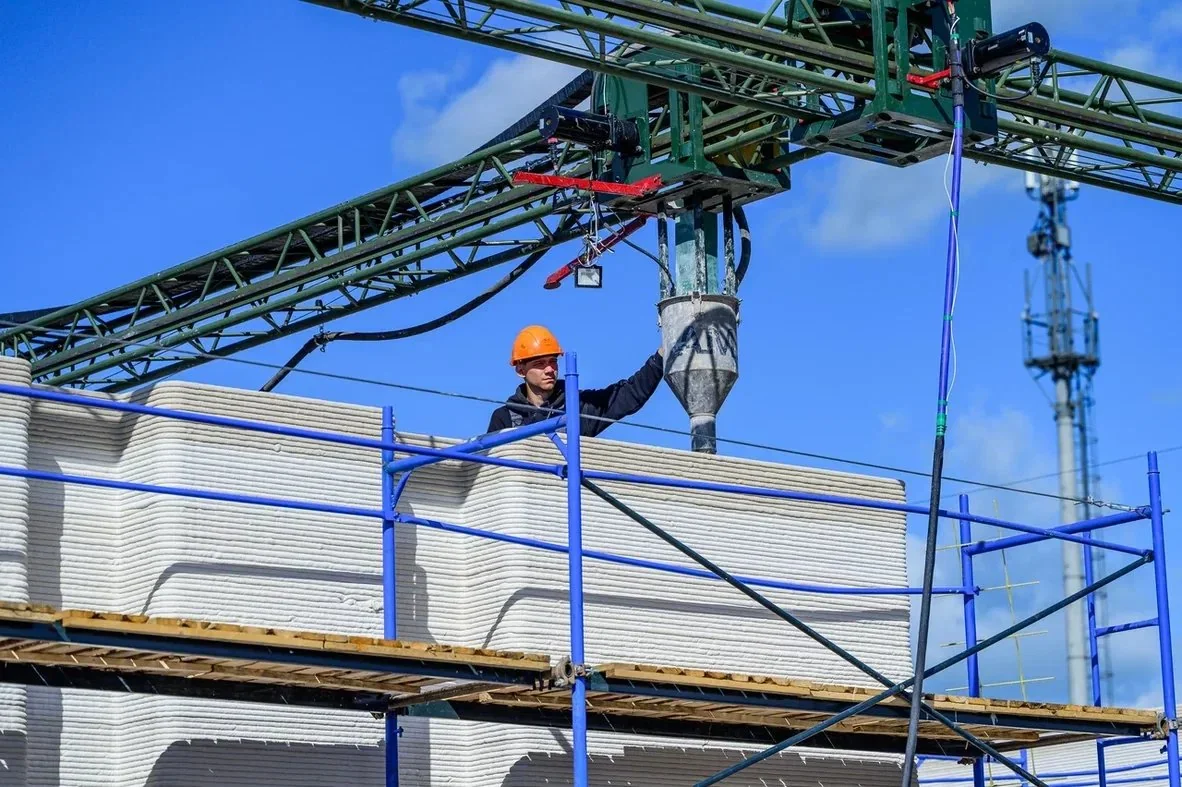
Three AMTG G2 construction 3D printers were deployed to produce wall sections for the Mella shopping center. The project involved a coordinated workflow using multiple printers to distribute construction tasks across the site. This approach allowed for efficient use of resources and minimized delays. The printers were used to create long wall sections, openings, and architectural transitions directly during the printing process. This method reduces the need for post-printing modifications and streamlines construction timelines.
The G2 system is designed for large-scale building projects, with a modular Cartesian structure that adapts to site-specific requirements. This flexibility allows for customized configurations based on architectural and structural needs. The modular design enables the system to be reconfigured for different building geometries and site conditions. The printers can be adjusted to accommodate varying heights, widths, and complexities of construction elements. This adaptability makes the G2 suitable for a wide range of construction scenarios.
Three AMTG G2 3D printers were used to construct walls for the Mella shopping center, showcasing scalable construction methods.
AMTG’s G2 Printers in Action
The project team used the three printers to create long wall sections, openings, and architectural transitions directly during the printing process. This approach reduces the need for post-printing modifications and streamlines construction timelines. By integrating these elements into the printing phase, the team avoided additional labor and time spent on adjustments. The direct printing of complex features also ensures greater precision and consistency in the final structure. This method supports faster project completion and higher quality outcomes.
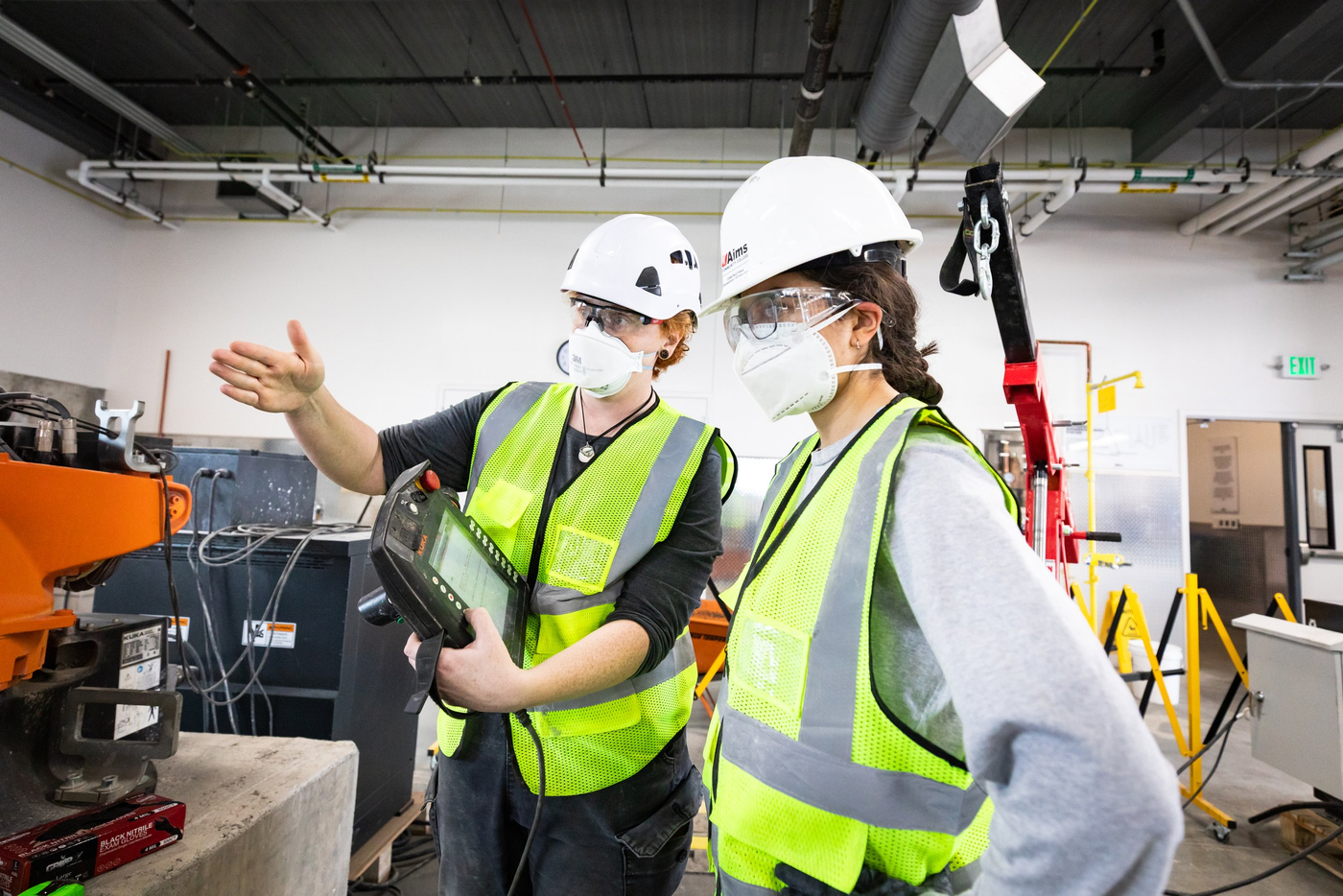
AMTG provided the printing systems, operator training, and equipment certification but did not handle structural design or material selection. These responsibilities remained with the project’s qualified professionals. The company focused on supplying the necessary technology and ensuring that operators were trained to use the equipment effectively. This division of roles highlights the collaborative nature of the project, where AMTG’s expertise in 3D printing technology was combined with the project team’s engineering and design capabilities.
Synchronization and Workflow
The use of multiple printers enabled the team to work on different parts of the building simultaneously. This method contrasts with traditional single-machine operations, offering potential efficiency gains in large-scale projects. By deploying three printers, the team could cover more ground and complete tasks in parallel. This approach reduces the overall construction time and allows for more flexibility in scheduling. It also demonstrates the scalability of 3D printing technology in construction applications.
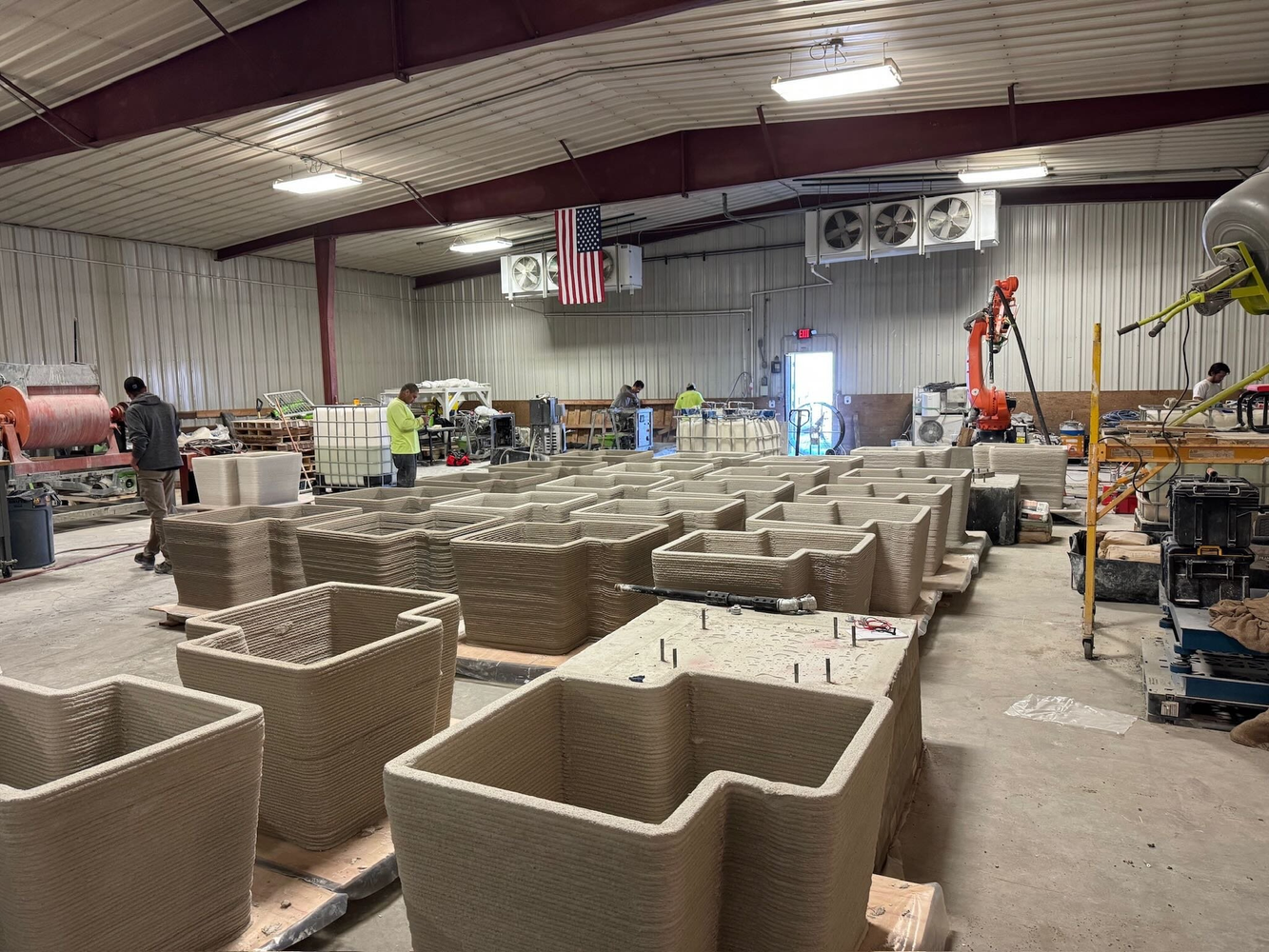
AMTG’s G2 printers are part of a broader range of construction 3D printing systems. The company also offers R-Series and F-Series printers, each tailored for different construction scenarios and environments. The R-Series includes road-mobile and tracked robotic systems for rapid deployment, while the F-Series focuses on factory-controlled production of prefabricated components. This variety of systems allows AMTG to cater to different project needs, from on-site construction to off-site manufacturing.
The Mella project highlights a growing trend in construction, where 3D printing is integrated into commercial building processes. This shift reflects the industry’s increasing adoption of digital fabrication techniques. As more companies explore the benefits of 3D printing, the technology is becoming a standard tool in construction projects. The Mella project serves as a practical example of how 3D printing can be used to enhance efficiency, reduce waste, and improve construction quality.
Modular Design and Flexibility
While the synchronization method for the three printers was not disclosed, the project demonstrates the potential for scaling 3D printing operations through multiple units. This could influence future construction strategies for large developments. The ability to coordinate multiple printers opens up new possibilities for large-scale projects, where speed and efficiency are critical. This approach also allows for greater flexibility in managing construction timelines and resource allocation.
The collaboration between AMTG and its customer underscores the evolving role of 3D printing manufacturers. Their focus remains on equipment supply and training rather than full project management. This model allows construction companies to maintain control over the design and execution of their projects while leveraging the expertise of 3D printing manufacturers. It also highlights the importance of partnerships in advancing the adoption of new technologies in the construction industry.
Construction companies are exploring 3D printing to address labor shortages and improve efficiency. This project aligns with broader industry efforts to integrate technology into traditional building practices. As the construction sector faces challenges such as workforce shortages and rising costs, 3D printing offers a viable solution. By automating certain aspects of construction, companies can reduce reliance on manual labor and increase productivity.
Industry Trends and Partnerships
The Mella shopping center project serves as a case study for how 3D printing can be applied to commercial construction. It provides a practical example of scaling operations without relying on a single machine. The use of three printers demonstrates the feasibility of expanding 3D printing capabilities for larger projects. This case study can inform future projects and encourage more widespread adoption of the technology.
As 3D printing becomes more common in construction, the focus will likely shift toward optimizing multi-printer workflows and integrating them into existing building processes. This will require continued innovation and collaboration between manufacturers, contractors, and designers. The success of the Mella project highlights the potential for 3D printing to transform the construction industry, making it more efficient, sustainable, and adaptable to future challenges.
Log in to leave a reply. Every comment is moderated before it appears publicly.