Published October 15, 2026 at 12:44 PM EDT
Formlabs introduces a more affordable resin 3D printer aimed at desktop users, signaling a shift in market strategy.
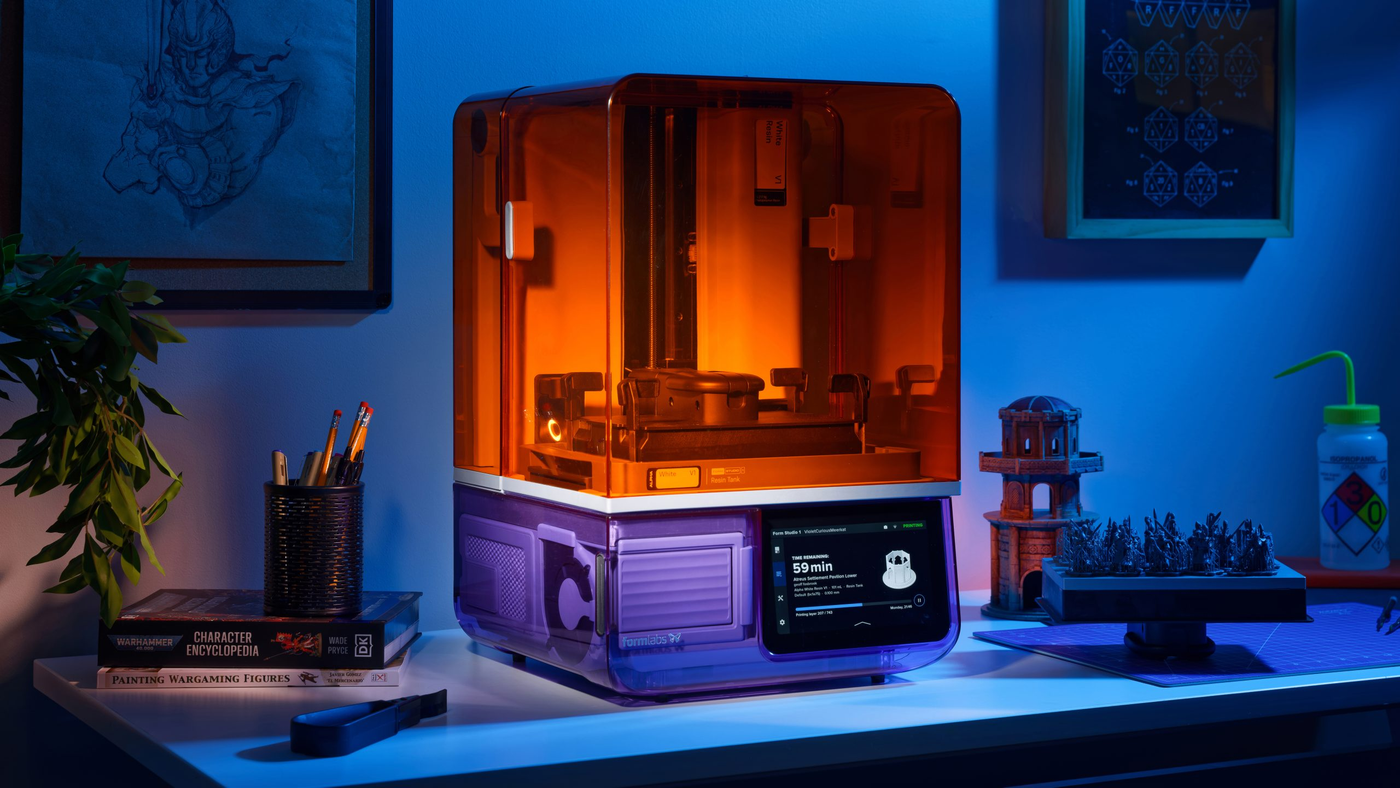
Formlabs has introduced the Form Studio 1, a resin 3D printer priced at $699, marking a shift in the company’s approach to market expansion. The device is positioned as the world’s most affordable professional resin printer, targeting a broader audience beyond traditional workshop environments. This move reflects a strategic effort to make high-quality 3D printing more accessible to a wider range of users, including those in office or home settings. The printer’s release coincides with a growing trend in the industry toward more affordable and user-friendly additive manufacturing solutions.
Formlabs’ Strategic Shift
The Form Studio 1 is designed for desktop use, with a focus on indoor air quality. It is the first resin printer to earn UL GREENGUARD Gold certification, an independent label for low indoor emissions. This feature suggests a move toward more accessible and user-friendly 3D printing solutions for office or home settings. The certification is specific to the printer when used with Formlabs’ Alpha Resins and the optional VOC Extractor, highlighting the company’s emphasis on safety and environmental considerations. This development aligns with the increasing demand for 3D printers that can be used in non-industrial environments without compromising air quality.
The printer uses a Low Force Display (LFD) print engine, which includes a custom lens array and 28 LEDs to provide uniform light output. This design aims to ensure consistent print quality across the entire build area, a key concern for users who prioritize reliability and precision. The LFD technology is a refinement of previous Formlabs models, allowing for more even light distribution and reducing the risk of under-cured or inconsistent prints. This innovation is particularly important for users who require high-quality outputs without the need for extensive post-processing.
Formlabs has included a dedicated wash-and-cure unit, a VOC extractor, and a mobile app as part of the printer’s ecosystem. These additions indicate an effort to streamline the post-processing workflow, making the technology more approachable for non-expert users. The wash-and-cure unit automates the cleaning and curing of printed parts, reducing the time and effort required for post-processing. The mobile app provides remote control and monitoring, enhancing the user experience and making the printer more versatile for different applications.
Technical Features and Design
The Form Studio 1 is built around a 35 µm pixel resolution display with anti-aliasing, which helps produce smoother surface finishes. This level of detail is comparable to more expensive models, suggesting that the printer is designed to deliver professional-grade results at a lower cost. The anti-aliasing feature helps reduce the appearance of jagged edges, resulting in more polished and refined prints. This capability is particularly valuable for users who require high-quality prototypes or end-use parts without the need for additional finishing steps.
Formlabs has not disclosed the exact benchmarks used in its performance comparisons. However, the company claims that most jobs finish in under two hours, with specific examples such as an Arduino case printed in 8 minutes. These figures highlight the printer’s efficiency but remain vendor-specific. The performance claims are based on internal testing and may not reflect real-world conditions. Users should consider these numbers as a general guide rather than definitive measurements of the printer’s capabilities.
The printer’s release coincided with the TCT Shenzhen event, where promotional material hinted at Formlabs’ broader ambitions. This timing suggests the company is positioning itself to compete in a growing market for accessible polymer 3D printing solutions. The event provided an opportunity for Formlabs to showcase its latest innovations and engage with potential customers and industry partners. The strategic timing of the launch underscores the company’s intent to expand its market presence and challenge existing competitors.
Market Positioning and Competition
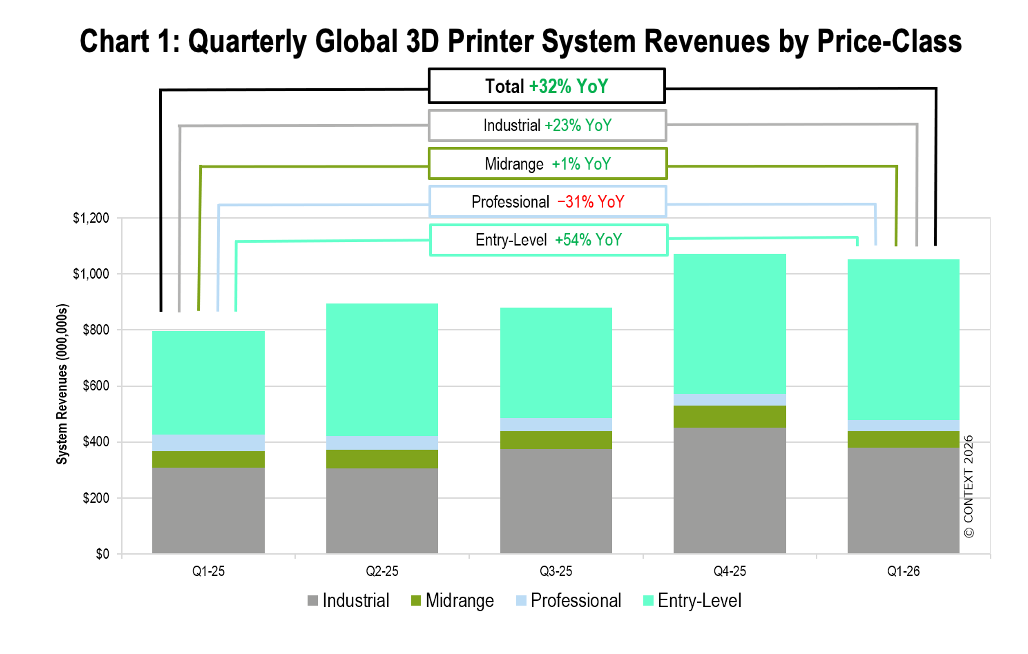
The Form Studio 1’s release follows the introduction of HP’s Multi Jet Fusion 1200, a lower-cost powder-based printer. This indicates a trend toward more affordable additive manufacturing options, which may influence how other companies position their products in the future. HP’s entry into the lower-cost segment reflects the growing demand for accessible 3D printing solutions across various industries. Formlabs’ response to this trend highlights the competitive nature of the market and the need for continuous innovation to maintain a strong position.
Formlabs’ decision to target desktop users reflects a broader industry shift toward making 3D printing more accessible. The company’s focus on indoor air quality and ease of use aligns with this strategy, potentially attracting new users who previously found professional-grade printers too complex or expensive. By addressing key concerns such as emissions and usability, Formlabs is positioning itself to capture a larger share of the market. This approach could lead to increased adoption of 3D printing in non-traditional environments.
Implications for Users
The printer’s mobile app and dedicated post-processing tools suggest a move toward a more integrated user experience. This could reduce the learning curve for new users and make the technology more appealing to small businesses or hobbyists. The app provides features such as remote monitoring, print scheduling, and file management, enhancing the overall usability of the printer. These tools are designed to simplify the workflow and make 3D printing more intuitive for a wider audience.
The Form Studio 1’s release highlights the growing competition in the 3D printing industry. As more companies introduce affordable options, users may have more choices but also face a more fragmented market with varying levels of support and reliability. This competition drives innovation and encourages companies to differentiate their products through features, pricing, and customer support. However, it also requires users to carefully evaluate their options and choose solutions that best meet their specific needs.
While the Form Studio 1 offers a compelling price point, its long-term success will depend on factors such as print quality consistency, material availability, and user support. These elements will determine whether it can effectively serve the needs of its intended audience. The printer’s performance in real-world applications and user feedback will be critical in shaping its reputation and market position. Formlabs will need to continue refining its offerings to maintain its competitive edge.
Log in to leave a reply. Every comment is moderated before it appears publicly.