Published October 14, 2026 at 10:55 PM EDT
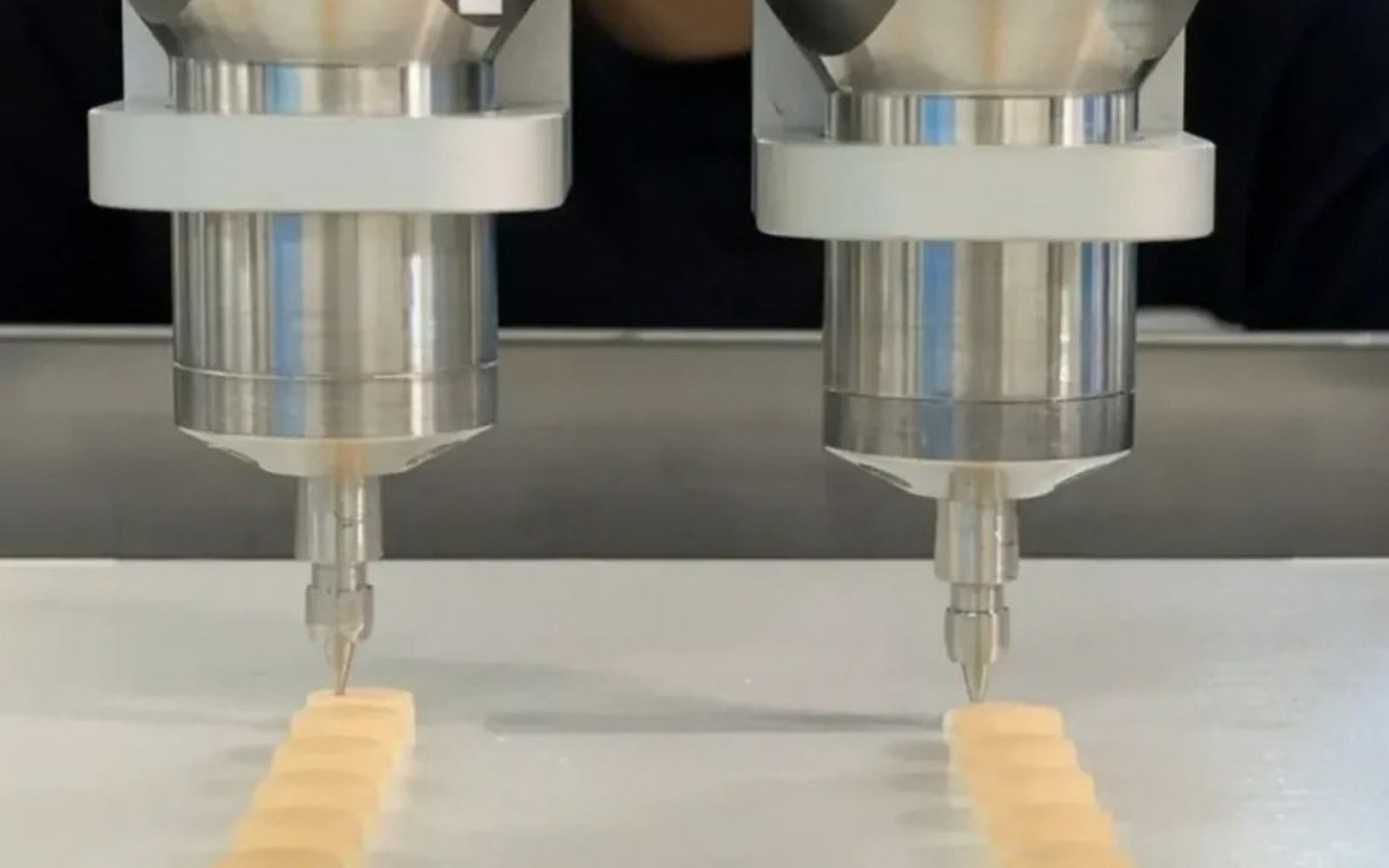
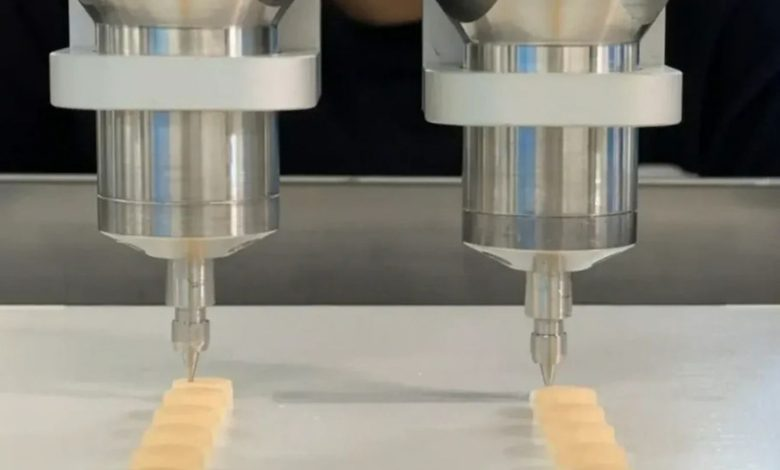
PharmaTher Holdings Ltd. has announced plans to place up to 50 CraftMake pharmaceutical 3D printers across North America within the next 12 months. The company outlined the initiative in a corporate strategy update, which includes the first orders expected in the fourth quarter of 2026. The plan is part of a broader effort to expand 3D-printing capabilities in the pharmaceutical sector. The company aims to establish a network of placements that will support both compounding and regulated manufacturing, with a focus on creating recurring revenue streams through software, consumables, and services.
The CraftMake printers are not developed by PharmaTher but are sourced from Craft Health Pte. Ltd. PharmaTher has secured exclusive North American distribution rights for the CraftMake platform. The company describes its model as asset-light, with Craft Health supplying the hardware and partners handling compounding and manufacturing. This approach allows PharmaTher to minimize capital investment while leveraging the expertise of its partners in pharmaceutical production. The asset-light model also aligns with the company’s goal of scaling its operations without significant upfront costs.
PharmaTher plans to place up to 50 CraftMake 3D printers across North America in 2026, focusing on pharmacies and manufacturers.
PharmaTher’s 3D-Printing Expansion Plan
The first placements are set to occur at PD Labs, a 503A compounding pharmacy designated as PharmaTher’s U.S. Center of Excellence, and at an unnamed good manufacturing practice (GMP) contract manufacturer. These two sites represent the two primary business models PharmaTher is targeting: pharmacy-level compounding and regulated production. PD Labs will focus on 503A compounding and research, while the GMP manufacturer will handle FDA-track products and CDMO services. This dual approach ensures that PharmaTher can serve both small-scale and large-scale pharmaceutical needs.
PharmaTher estimates there are more than 10,000 potential sites for the CraftMake system in North America. The planned 50-unit rollout is a small portion of this addressable market, and the company has not committed to a specific number of placements. The initiative includes pharmacies, telehealth companies, hospitals, and research and government facilities. By targeting a broad range of institutions, PharmaTher aims to create a diverse network that can support various pharmaceutical applications, from personalized medicine to large-scale production.
CraftMake Printers and Distribution Model
Each placement is designed to generate revenue through hardware sales and recurring income from software, consumables, and services. PharmaTher also plans to offer white-label products and formulation licensing, expanding its reach beyond direct hardware sales. This diversified revenue model is intended to ensure long-term financial stability and growth. The company emphasizes that the initial hardware sale is just the beginning, with ongoing revenue streams from software updates, consumables, and support services forming the backbone of its business strategy.
The company’s CEO, Fabio Chianelli, emphasized the scalability of the plan, stating that each printer placement is intended to generate recurring revenue and build a network of partners. The model aims to create a self-reinforcing system where each placement adds data, formulations, and new partners to the network. This network effect is crucial for PharmaTher’s long-term success, as it allows the company to leverage its growing base of placements to expand its offerings and improve its services over time.
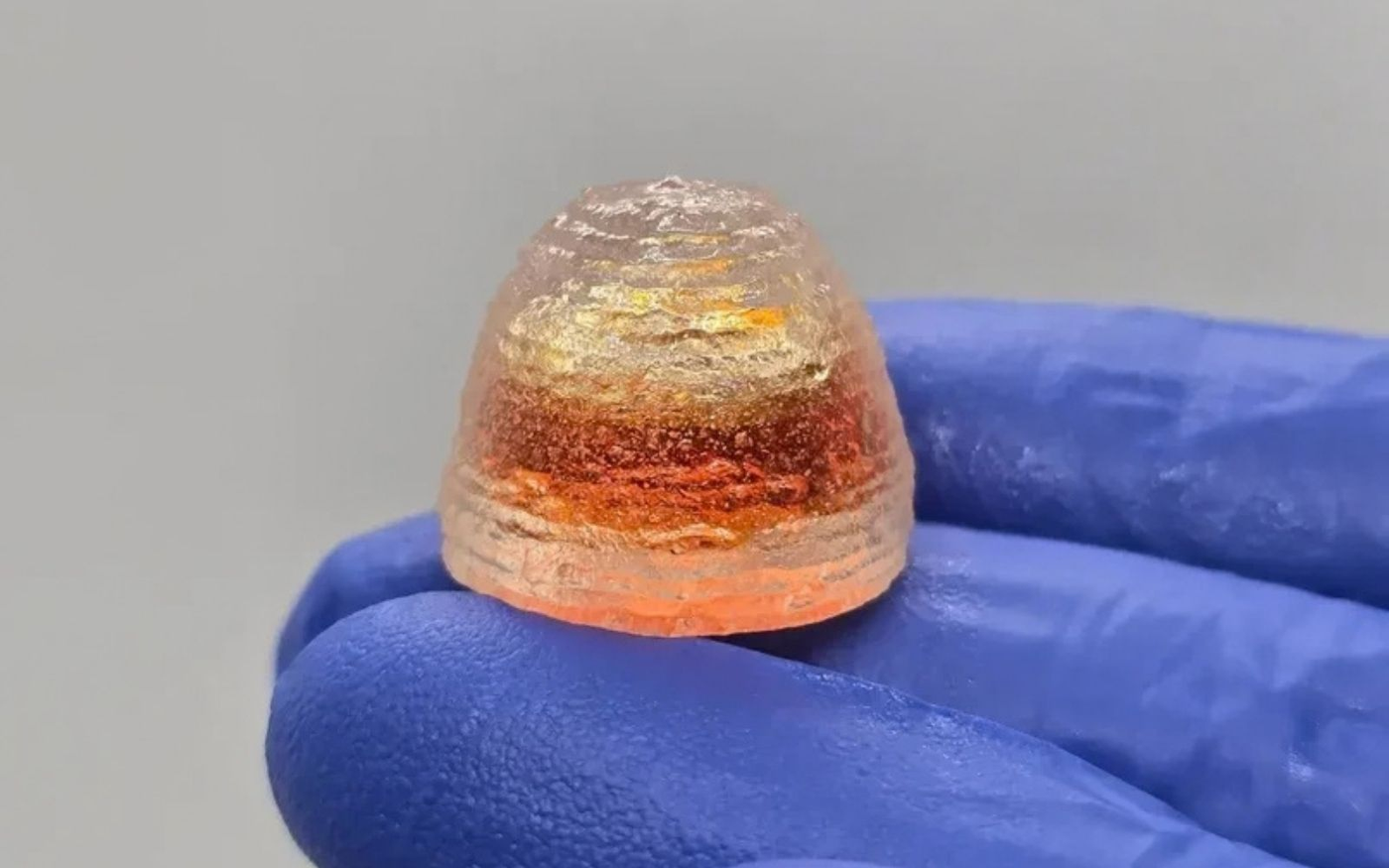
PharmaTher’s strategy includes launching its first products and applying for designations in its rare pediatric program within the next 12 months. The company also plans to expand into ultra-rare diseases and reintroduce discontinued medicines, focusing on commercial sales and recurring revenue. These initiatives are part of a broader effort to address unmet medical needs and create value through innovative pharmaceutical solutions. The company’s focus on rare diseases aligns with industry trends and regulatory incentives that support the development of specialized treatments.
Initial Placement Sites and Partners
The CraftMake platform is intended to support both compounding pharmacies and regulated manufacturing. PD Labs will handle U.S. 503A compounding and research, while the unnamed GMP contract manufacturer will focus on FDA-track products and contract development and manufacturing organization (CDMO) services. This dual approach ensures that PharmaTher can serve both small-scale and large-scale pharmaceutical needs. The company’s ability to support both compounding and regulated manufacturing positions it to capture a wide range of market opportunities.
The company’s corporate strategy update also includes a rebranding of its PERSONALIZ3D platform to M3DICINES. This change aligns with the broader vision of integrating 3D printing into pharmaceutical workflows and expanding the company’s product offerings. The rebranding reflects PharmaTher’s commitment to positioning 3D printing as a core component of its business strategy. By rebranding, the company aims to strengthen its identity and communicate its vision more effectively to stakeholders.
PharmaTher’s plan is still in the early stages, with no placements yet completed. The company has not provided details on pricing, discounts, or availability of the CraftMake printers. The focus remains on the strategic rollout and partnerships rather than immediate commercial deployment. This cautious approach allows PharmaTher to build a solid foundation before scaling its operations. The company’s emphasis on partnerships and strategic planning is essential for ensuring the long-term success of its 3D-printing initiative.
Market Potential and Strategic Goals
The initiative reflects a growing interest in 3D printing for pharmaceutical applications, particularly in personalized medicine and on-demand manufacturing. PharmaTher’s approach highlights the potential for 3D printing to support both small-scale compounding and large-scale production. The company’s focus on 3D printing aligns with industry trends and the increasing demand for flexible, patient-centered pharmaceutical solutions. By leveraging 3D printing technology, PharmaTher aims to create new opportunities for innovation and growth.
The success of the CraftMake placements will depend on the adoption by pharmacies, manufacturers, and research institutions. The company’s ability to build a network of partners and generate recurring revenue will be key to the long-term viability of the program. PharmaTher’s strategy emphasizes the importance of partnerships and recurring revenue streams in ensuring the sustainability of its 3D-printing initiative. The company’s focus on long-term value creation is essential for achieving its strategic goals.
Log in to leave a reply. Every comment is moderated before it appears publicly.