
Published October 22, 2026 at 11:30 PM EDT
Mausware introduces four Finger Maus models and relocates to a historic Richmond building, emphasizing 3D printing and biodegradable materials.
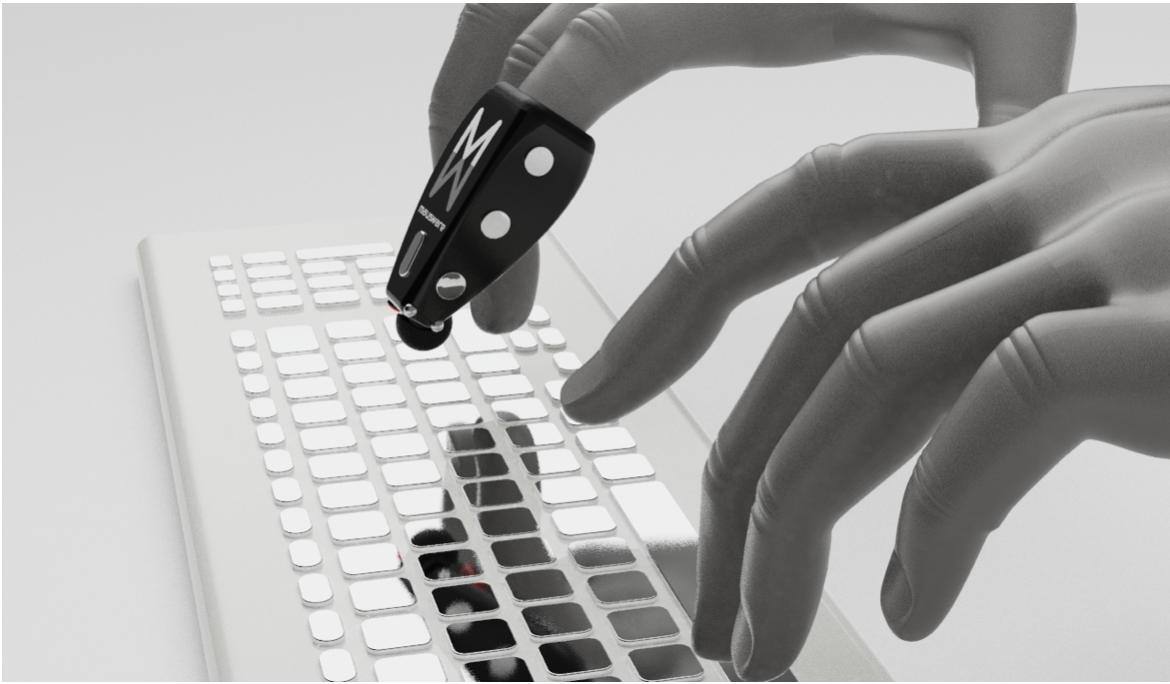
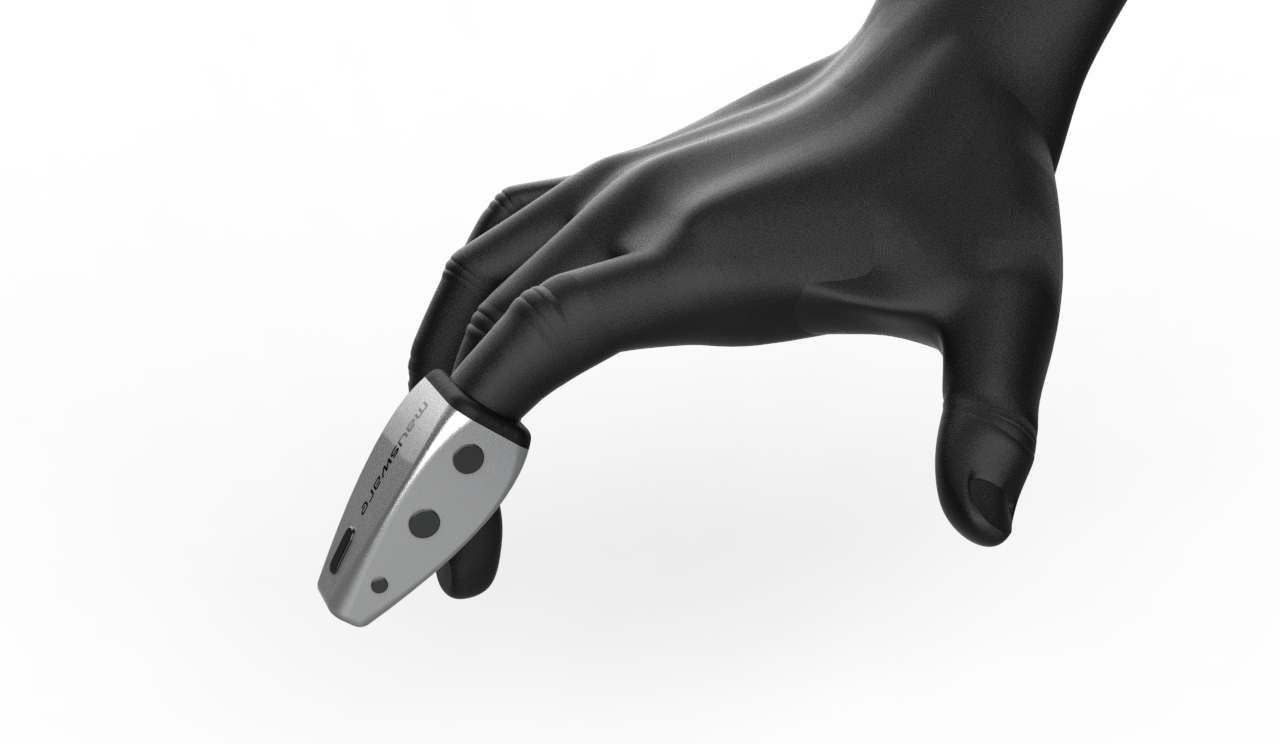
Mausware has expanded its Finger Maus product line to include four models: ULTRA, Blaze, ULTRA X, and Spectrum. The company, known for its 3D-printed wearable mouse, announced the lineup alongside its decision to establish a headquarters in a historic Richmond building. The move reflects a broader shift in the company’s strategy and product development. The new models are part of a growing product range, though details remain sparse, with only the Spectrum offering technical specifications.
Mausware Launches Four Finger Maus Models
The new headquarters will be located in the Tredegar Trust building, a former bank in downtown Richmond. The structure, designed by architect Alfred Charles Bossom, is listed on the National Register of Historic Places. The building’s location near Richmond City Hall and its 90-foot stone entry arch highlight its architectural significance. Mausware’s choice of location suggests a focus on long-term stability and historical preservation. The building’s historical value may also serve as a backdrop for the company’s brand identity.
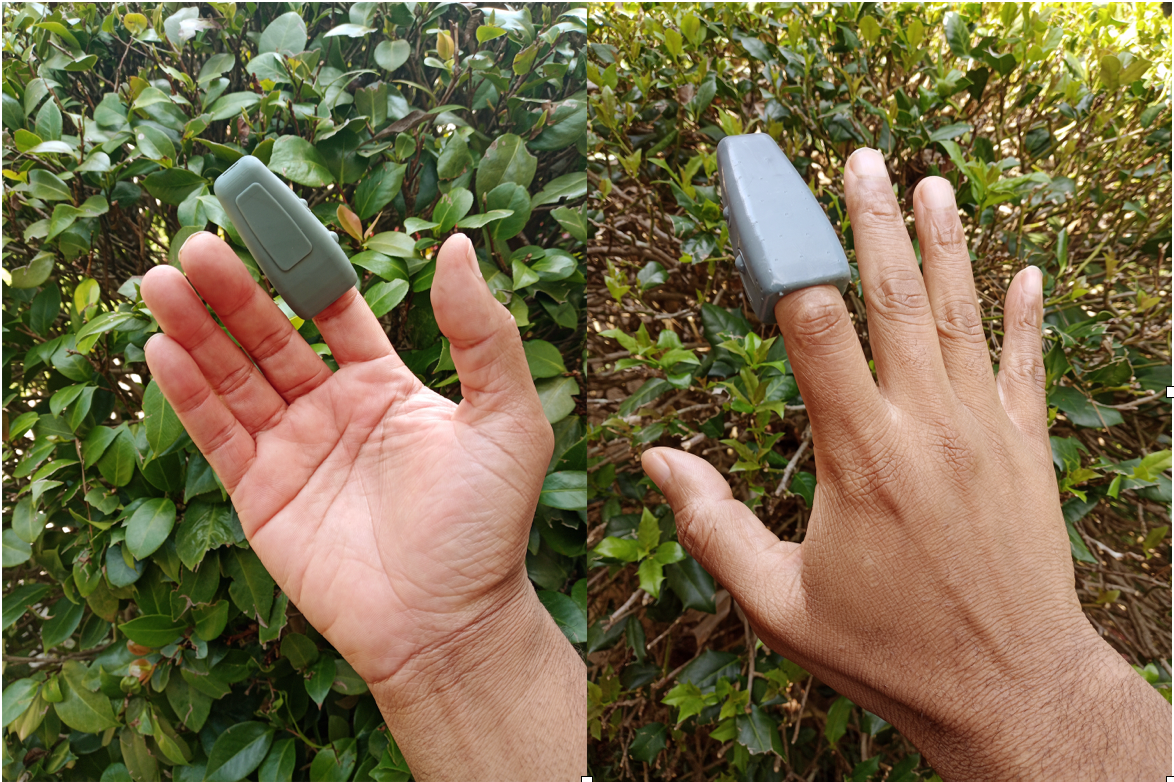
The Finger Maus line is built using 3D printing, a process that allows for rapid prototyping and customization. This approach is particularly suited to a product that must fit a variety of finger sizes. The company’s use of 3D printing enables iterative design changes without the need for costly tooling, supporting the development of multiple models and future products. The process also allows for low-volume production and design flexibility, which is critical for a wearable device.
Historic Richmond Building Chosen for New HQ
The company’s website states that the Finger Maus structure is made from a 3D-printed, plant-based resin described as non-toxic and biodegradable. However, no specific details about the resin’s composition, testing standards, or breakdown conditions are provided. The claims remain unverified by independent sources, leaving some questions about the material’s environmental impact. The lack of transparency may affect consumer confidence in the product’s sustainability claims.
Among the four models, only the Finger Maus Spectrum provides technical specifications, including a weight of 23 grams and five programmable buttons. The other models lack pricing, release dates, or detailed technical data. This absence of information suggests that the products are still in development or not yet ready for public release. The company has not yet provided a timeline for the release of the new models or details about their availability.
Mausware’s founder and CEO, Max Eternity, has a background in art, design, and socioeconomic policy. He is also a self-taught architect and historian, with a history of preservation work, including the 2008–2010 effort to preserve Atlanta’s Central Library. His involvement in the company underscores a focus on both innovation and historical responsibility. Eternity’s work in preservation may influence the company’s approach to sustainability and design.
3D Printing Central to Product Design
The company’s website notes that the Finger Maus was created by Eternity between 2010 and 2025. The initial concept emerged from his work at a non-profit digital technology center, where he aimed to develop a lightweight, wearable controller for individuals with disabilities and elderly users. This origin story highlights the product’s potential for accessibility and user-centric design. The focus on accessibility may appeal to niche markets and early adopters.
Mausware has more than a dozen products in development, with several at the concept stage. The company has not disclosed details about production methods, whether manufacturing is in-house or outsourced, or how sizing and fit are addressed. These factors remain unclear and may affect the product’s market readiness. The lack of transparency about production could raise concerns about scalability and quality control.
The company’s emphasis on 3D printing and biodegradable materials aligns with broader trends in sustainable manufacturing. However, the lack of independent verification for its environmental claims may limit consumer confidence. The use of 3D printing also allows for customization, which could appeal to niche markets and early adopters. The company’s focus on sustainability may differentiate it from competitors in the wearable tech space.
Biodegradable Materials Claimed, But Details Limited
The move to a historic building in Richmond may signal a strategic decision to position the company as a local, community-focused entity. The building’s historical value and architectural features could serve as a backdrop for the company’s brand identity, reinforcing its commitment to preservation and innovation. The choice of location may also reflect a desire to align with the city’s cultural and historical heritage.
Mausware has not yet provided a timeline for the release of the new models or details about their availability. The company’s website directs users to check “News” updates for information on the Finger Maus ULTRA. This suggests that the product may be in a pre-launch phase or undergoing final development stages. The lack of clear information may affect consumer expectations and market anticipation.
As Mausware continues to expand its product line and establish its new headquarters, the next steps will likely involve clarifying technical specifications, production methods, and environmental claims. The company’s focus on 3D printing and sustainability may attract attention from makers and small workshops interested in innovative, eco-friendly technologies. The company’s future success will depend on its ability to deliver on its promises and address consumer concerns.
Log in to leave a reply. Every comment is moderated before it appears publicly.