Published October 5, 2026 at 10:05 AM EDT
Bambu Lab partners with seven accessibility groups to launch a global design contest for 3D-printed assistive devices.
In 2023, Chinese 3D printer OEM Bambu Lab launched MakerWorld, a collaborative 3D model platform. By early 2026, the platform had about 10 million monthly active users and began to expand its role beyond just a model-sharing website. This month, Bambu partnered with seven top accessibility organizations that use 3D printing to launch a global design challenge on MakerWorld. The initiative aims to engage the global 3D printing community in creating assistive devices that address real-world needs for people with disabilities.
The Make for Good: Accessibility Design Contest runs through December of 2026, and asks makers to invent real 3D printed accessibility aids based on 24 specific design briefs. The contest page states, “Everyone deserves tools that make everyday life a little easier.” It invites participants to turn real accessibility needs into practical, printable solutions. This effort builds on the long-standing use of 3D printing to create custom assistive devices, making daily tasks more manageable for people with disabilities.
Bambu Lab Expands Platform with Accessibility Initiative
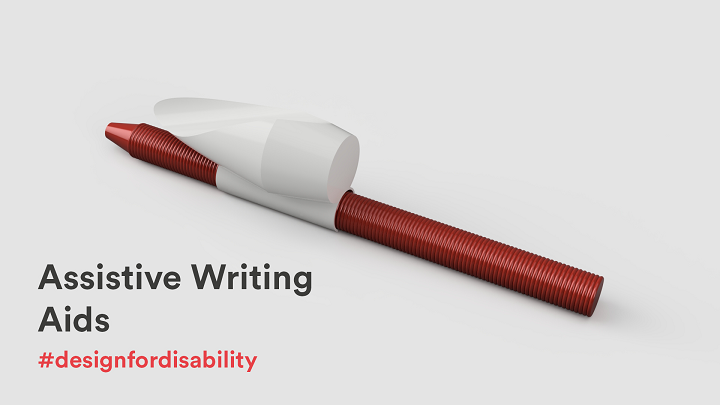
Each of Bambu Lab’s seven challenge partners contributed design briefs born out of work with real disabled users. Each brief describes the context, the target users, and the design goal for the requested device, the current solutions, where and how the device will be used, any necessary requirements, and user preferences. Examples include a foot-operated bike helmet buckle aid, an adaptive car key turner, a toe-operated toothpaste squeezer, and a customizable wheelchair storage system. These briefs ensure that the designs are practical and user-focused.
Spanish Ayúdame3D has delivered 3D printed assistive devices, or trésdesis, to over 1,000 people in more than 70 countries since 2017. For this challenge, the nonprofit has requested a tool for tying a ponytail with one hand, and a toothbrush that does not have to be pinched between your fingers to hold. E-Nable France, part of the global E-Nable community, is asking makers to develop a one-handed kitchen toolkit that can be used for independent cooking. These specific requests reflect the real needs of users and the importance of tailored solutions.
Design Challenge Aims to Solve Real-World Needs
E-Nable France, part of the global E-Nable community, is asking makers to develop a one-handed kitchen toolkit that can be used for independent cooking. The organization has grown significantly since its launch in 2015, with a network of over 450 volunteers. These volunteers work in their free time, often in the evenings and on weekends, to create assistive devices. Their efforts have reduced wait times for new requests from several months to just a few days on average. This efficiency highlights the impact of community-driven initiatives in the field of assistive technology.
The design challenge includes a variety of assistive devices, such as a customizable wheelchair storage system and an adaptive car key turner. These items are designed to improve the independence and quality of life for people with disabilities. The challenge emphasizes the importance of user-centered design, ensuring that each device meets the specific needs of its intended users. This approach helps to create more effective and widely applicable solutions.
The contest encourages participants to consider the real-world applications of their designs. Each design brief includes detailed information about the target users, the context of use, and the desired outcome. This level of detail helps makers understand the challenges they are trying to solve. By focusing on practical, printable solutions, the challenge aims to produce devices that can be easily manufactured and distributed to those in need.
Partners Contribute Specific Accessibility Briefs
Bambu Lab’s involvement in this initiative reflects its growing commitment to using 3D printing for social good. The company has previously launched platforms that support collaborative design and innovation. By partnering with accessibility organizations, Bambu Lab is expanding its role beyond traditional manufacturing to include community-driven projects that address real-world challenges. This shift highlights the potential of 3D printing to create meaningful impact beyond commercial applications.
The design challenge is open to a global audience, inviting makers from around the world to participate. This international reach ensures that a diverse range of perspectives and ideas can contribute to the development of assistive devices. The contest’s focus on real-world needs encourages participants to think critically about how their designs can improve the lives of people with disabilities. This collaborative approach fosters innovation and inclusivity in the 3D printing community.
The initiative also highlights the growing role of 3D printing in the field of assistive technology. By enabling the creation of customized and affordable devices, 3D printing has become a valuable tool for addressing the unique needs of individuals with disabilities. The design challenge builds on this trend, providing a platform for makers to contribute to meaningful projects that have a direct impact on people’s lives.
Global Reach and Community Involvement
The contest’s structure allows for a wide range of creative solutions, from simple tools to complex devices. Each design must meet specific criteria outlined in the briefs, ensuring that the final products are both functional and user-friendly. This process encourages makers to think about the entire lifecycle of a device, from initial concept to final implementation. The challenge also promotes the idea that assistive technology should be accessible to all, regardless of location or resources.
By bringing together Bambu Lab and seven accessibility organizations, the design challenge represents a significant step forward in the use of 3D printing for social good. The collaboration highlights the potential of technology to create meaningful change and improve the lives of people with disabilities. As the contest progresses, it will be interesting to see the innovative solutions that emerge from this global effort.
Log in to leave a reply. Every comment is moderated before it appears publicly.