Published October 6, 2026 at 2:23 PM EDT
Global sales of desktop 3D printers reached 5.2 million units in 2025, according to a study by AMPOWER. This represents a 34% increase from 3.88 million units in 2024. The growth follows a 22.4% compound annual growth rate since 2020, indicating a sustained trend rather than a one-time spike. The study highlights the continued expansion of the market, driven by both consumer demand and industrial applications. This growth is not limited to a single region, as sales are distributed across Asia-Pacific, Europe, and the Americas.
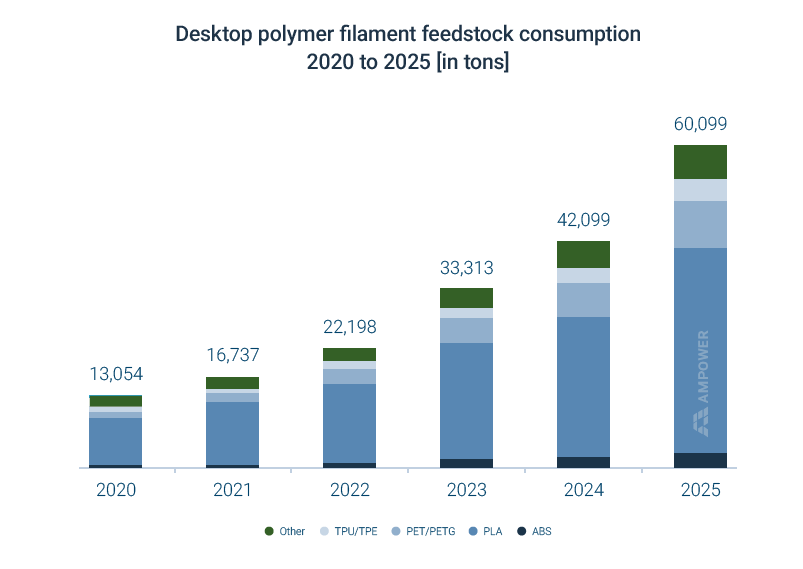
The study also highlights a significant rise in filament consumption, which reached approximately 60,000 tonnes in 2025, up nearly 43% from the previous year. This increase aligns with the growing number of installed printers, though it does not necessarily confirm higher usage per machine. The rise in filament use suggests that the installed base of printers is becoming more active, but it also reflects the expansion of the market as more users adopt 3D printing technology. This trend is particularly notable in the consumer sector, where the affordability of desktop printers has led to widespread adoption.
Global sales of desktop 3D printers rose to 5.2 million in 2025, with 94% manufactured in China, according to a new study.
Global Sales Surge and Manufacturing Concentration
The market is highly concentrated, with the five largest suppliers accounting for 86% of sales. This leaves a small share for other manufacturers, including established Western brands and smaller kit makers. The dominance of a few players suggests a market that is becoming more consolidated over time. This concentration may lead to reduced competition and fewer choices for consumers, but it also indicates that the largest companies have been able to scale effectively and meet growing demand.
China remains the primary hub for desktop 3D printer production, with 94% of units made there. The Shenzhen region is home to four of the five largest manufacturers by unit volume. This geographic concentration has been driven by the presence of nearby materials producers, component suppliers, and equipment manufacturers. The clustering of these industries in Shenzhen has created a robust ecosystem that supports rapid product development and cost-effective manufacturing.
Market Growth and Material Consumption Trends
The study notes that the Shenzhen region has become a center for rapid product development. Companies like Creality, Bambu Lab, and Elegoo have grown into global players, supported by the local ecosystem of suppliers and manufacturers. These companies have leveraged the region's infrastructure to scale production and innovate quickly. Their success has also been fueled by the availability of skilled labor and the proximity to key markets in Asia and beyond.
AMPOWER’s research, conducted with the Manufacturing Technology Deployment Group, indicates that the desktop 3D printing market is expanding faster than many industry observers anticipated. The report also highlights the challenges of managing large-scale operations with low-cost machines, as seen in some Chinese factories. The reliance on manual processes and limited automation in some facilities presents obstacles to further growth and efficiency.
Timo Führer, a partner at AMPOWER, attributes part of the market’s success to the aggressive strategies of newer manufacturers. These companies approached desktop 3D printing as a consumer electronics business, aiming to sell millions of units. This strategy has led to rapid market penetration and brand recognition. By focusing on affordability and accessibility, these companies have been able to capture a large share of the consumer market, which has driven overall sales growth.
Top Manufacturers and Regional Dominance
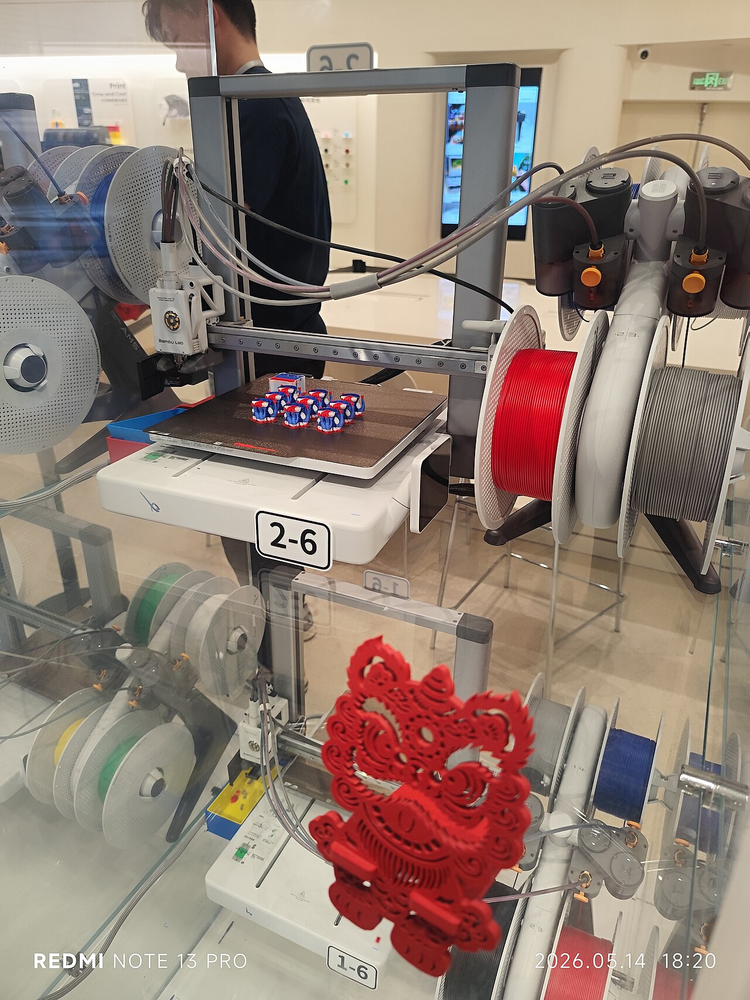
Bambu Lab’s expansion into Apple stores in China is one example of this approach. The company has increased its presence from 60 to 262 Apple stores, suggesting a shift toward retail and consumer-facing distribution channels. This move reflects a broader trend in the industry, where manufacturers are seeking to reach end users directly through established retail networks. It also highlights the growing acceptance of 3D printing as a mainstream consumer technology.
The study also points to the challenges of scaling up 3D printing operations. At some factories, the reliance on SD cards for file transfer highlights the limitations of existing infrastructure. Wireless interference and the lack of robust network systems can hinder efficiency in large-scale production environments. These technical limitations may slow down the adoption of 3D printing in industrial settings, where speed and reliability are critical.
Despite the growth, the market remains heavily dependent on a few key players. The dominance of the top five manufacturers raises questions about competition and innovation in the long term. Smaller companies may struggle to gain market share in a landscape dominated by these large firms. This concentration could lead to a lack of diversity in product offerings and fewer opportunities for independent innovators.
Implications for the Industry and Future Outlook
The geographic concentration of production in China has implications for supply chain resilience and global manufacturing dynamics. As demand for desktop 3D printers continues to grow, the role of Chinese manufacturers in shaping the industry will likely remain significant. However, this concentration also introduces risks, such as vulnerability to regional disruptions or changes in trade policies.
Looking ahead, the industry will need to address challenges related to infrastructure, scalability, and competition. The continued growth of the market suggests that desktop 3D printing will remain a key segment of the broader additive manufacturing landscape. As the technology evolves, manufacturers will need to adapt to changing consumer needs and technological advancements to maintain their competitive edge.
Log in to leave a reply. Every comment is moderated before it appears publicly.