Published October 12, 2026 at 1:42 PM EDT
Researchers at Umeå University demonstrate how 3D printing can create affordable, customizable lab equipment for biological studies.
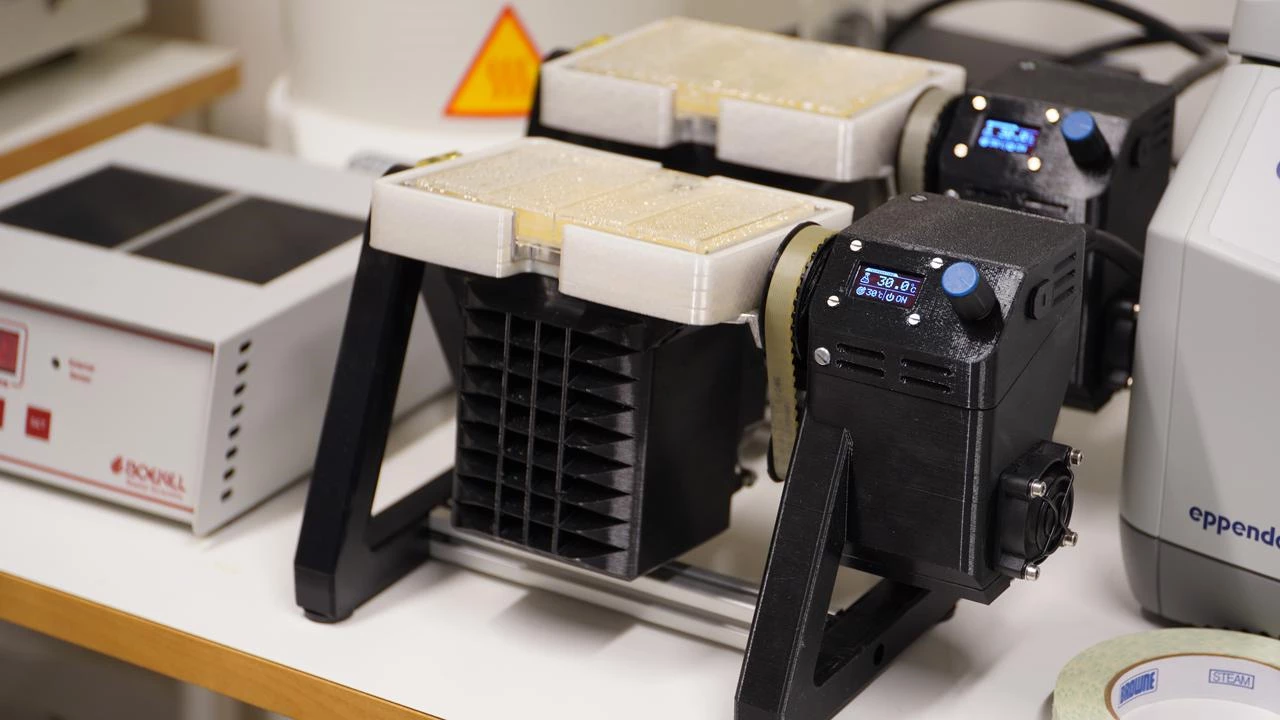
Researchers at Umeå University have demonstrated how 3D printing can be used to create lab equipment for biological studies. The work focuses on tools for studying bacteria and other microorganisms, offering a more affordable alternative to commercial instruments. This approach allows for greater flexibility in experimental design and reduces reliance on expensive, pre-manufactured tools. By leveraging 3D printing, researchers can tailor equipment to their specific needs, which is particularly valuable in fast-evolving fields of study.
3D Printing for Biological Research
The research, led by Daniel Nilsson, shows that consumer-grade 3D printers can be used to build scientific tools tailored to specific experiments. This approach allows labs to design and manufacture equipment that meets their unique needs, rather than relying on expensive, off-the-shelf solutions. The ability to create custom tools in-house can significantly reduce costs and increase the speed at which new experiments can be conducted. This method also allows for rapid modifications as research needs evolve, making it a highly adaptable solution for scientific work.
Scientific instruments for studying microorganisms often require high precision and can be costly to produce. By using 3D printing, researchers can create tools in-house, reducing both time and expense. This method also allows for rapid modifications as research needs evolve. The ability to iterate quickly on designs can lead to more efficient experimentation and better outcomes. Additionally, 3D printing enables researchers to produce tools that are not commercially available, opening up new possibilities for scientific exploration.
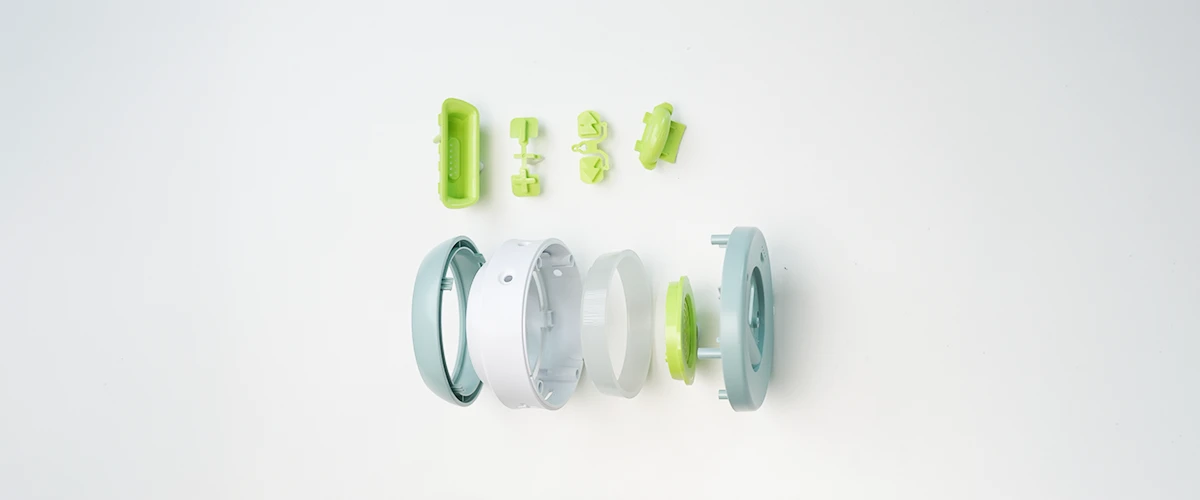
One focus of the study is on devices that use lasers to detect and manipulate bacteria. These tools are essential for understanding bacterial behavior and could be used in medical and environmental research. The ability to 3D print such equipment could expand access to these technologies for smaller labs. This development is particularly significant for institutions with limited resources, as it allows them to conduct advanced research without the need for expensive instrumentation. The use of lasers in these tools also highlights the potential for integrating complex functionalities into 3D-printed designs.
Customization and Cost Savings
The research also includes tools for growing and measuring biofilms, which are communities of bacteria that adhere to surfaces. Biofilms can be difficult to remove and are a concern in healthcare and food production. The 3D-printed tools offer a way to study these structures more effectively. By creating custom tools for biofilm analysis, researchers can gain deeper insights into their formation and behavior. This can lead to better strategies for managing biofilm-related issues in various industries.
The approach aligns with previous efforts to use 3D printing for lab equipment, such as those by the Custom Lab Institute. Nilsson’s work builds on this by using open-source electronics and 3D printing to create affordable, customizable tools for biological research. This integration of open-source components allows for greater collaboration and knowledge sharing within the scientific community. It also ensures that the tools developed are accessible to a wider range of researchers, regardless of their institutional resources.
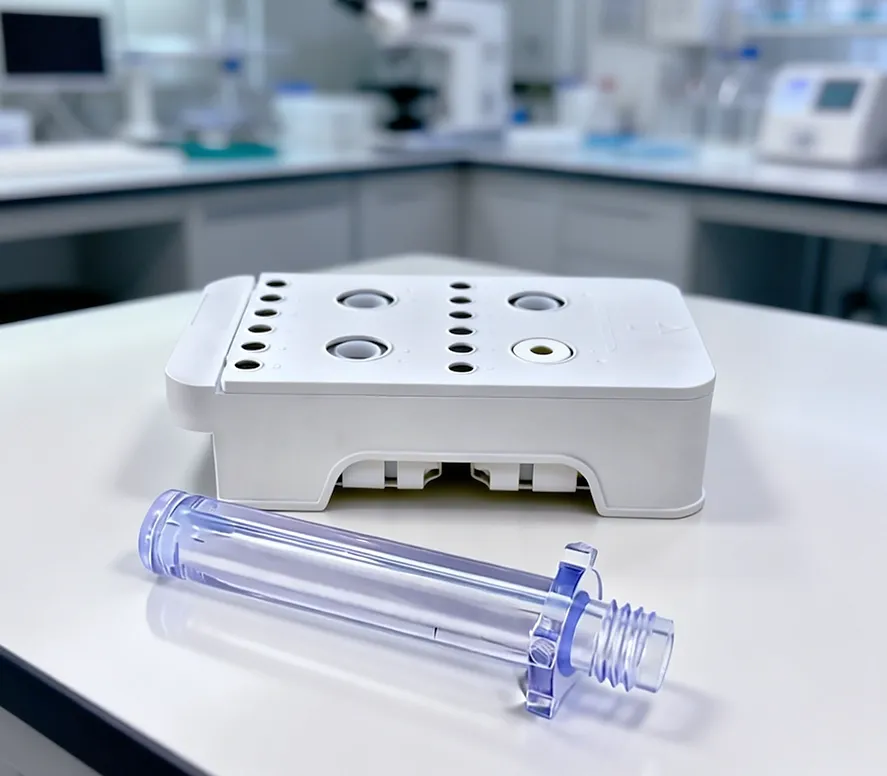
One of the key benefits of 3D-printed lab equipment is the ability to customize designs. Researchers can modify tools to suit their specific experiments, which is not always possible with commercial instruments. This flexibility can lead to more efficient and targeted research. Customization also allows for the creation of tools that are better suited to the unique conditions of a particular laboratory, improving the accuracy and reliability of experimental results.
Challenges in 3D-Printed Lab Equipment
However, the process requires careful design and model preparation. Issues such as mesh errors in 3D models can affect the accuracy of printed parts. Repairing these models with tools like FreeCAD or NetFabb is essential to ensure successful printing. This step is crucial for maintaining the quality and functionality of the final product. Proper preparation also helps to minimize the risk of failed prints, which can be time-consuming and costly to correct.
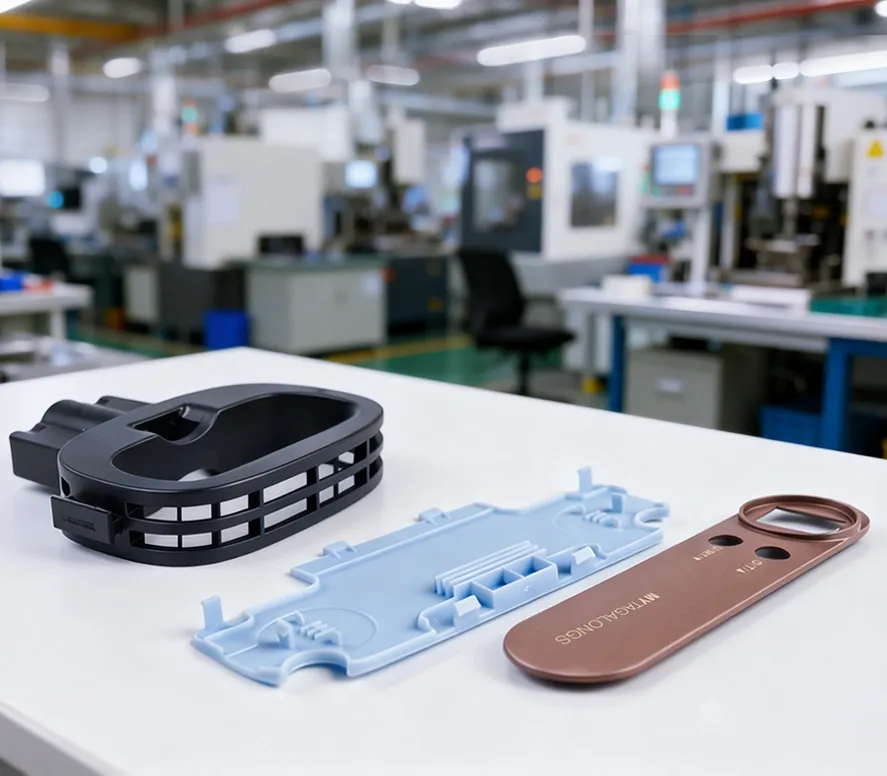
The research highlights the potential for 3D printing to reduce costs in scientific research. By producing tools in-house, labs can avoid the high prices of commercial equipment. This could be especially beneficial for smaller labs with limited budgets. The cost savings from 3D printing can be redirected toward other aspects of research, such as data analysis or experimental materials. This makes it a valuable strategy for maximizing the impact of available resources.
Implications for Smaller Labs
Despite the advantages, there are limitations to using 3D printing for lab equipment. The precision of printed parts may not match that of commercial instruments, and some complex designs may require additional post-processing. These factors must be considered when evaluating the feasibility of 3D-printed tools. Researchers must weigh the benefits of customization and cost savings against the potential trade-offs in precision and complexity.
The study also shows how 3D printing can support interdisciplinary research. By enabling the creation of custom tools, it allows scientists to explore new methods and applications in fields such as microbiology and bioengineering. This cross-disciplinary approach can lead to innovative solutions and new areas of study. The adaptability of 3D printing makes it a powerful tool for researchers working at the intersection of multiple scientific disciplines.
Overall, the research demonstrates that 3D printing can be a valuable tool for scientific research. It offers a cost-effective and customizable way to produce lab equipment, making advanced tools more accessible to a wider range of researchers. This development has the potential to democratize access to scientific instrumentation, enabling more researchers to conduct high-quality experiments and contribute to scientific progress.
Log in to leave a reply. Every comment is moderated before it appears publicly.