Published October 9, 2026 at 10:17 AM EDT
Sneakprint's ShoeFactory provides foot-fitted flip-flops as printable STL files, using smartphone scans and parametric design tools.
Sneakprint has introduced a platform called ShoeFactory that offers foot-fitted flip-flops as 3D-printable STL files. Customers scan their feet using a smartphone, adjust a parametric design in a web configurator, and pay EUR 64.99 for the files. The product is delivered digitally, allowing users to print the design on their own 3D printers. This model shifts the production responsibility to the customer, emphasizing digital customization over traditional manufacturing.
Foot-Fitted Flip-Flops as STL Files
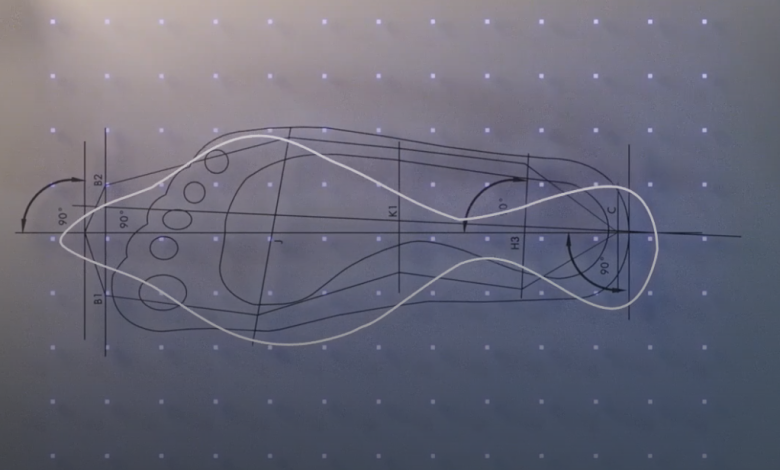
The measurement process uses a smartphone browser without requiring an app. Users photograph their feet against a sheet of paper, which serves as a reference for scale. The scan is processed by Volumental, a Swedish company, whose AI measurement engine was trained on 66 million real-world scans. This suggests Sneakprint is leveraging an existing, large-scale system rather than developing its own measurement model. The use of a standardized reference ensures consistent measurements across different users.
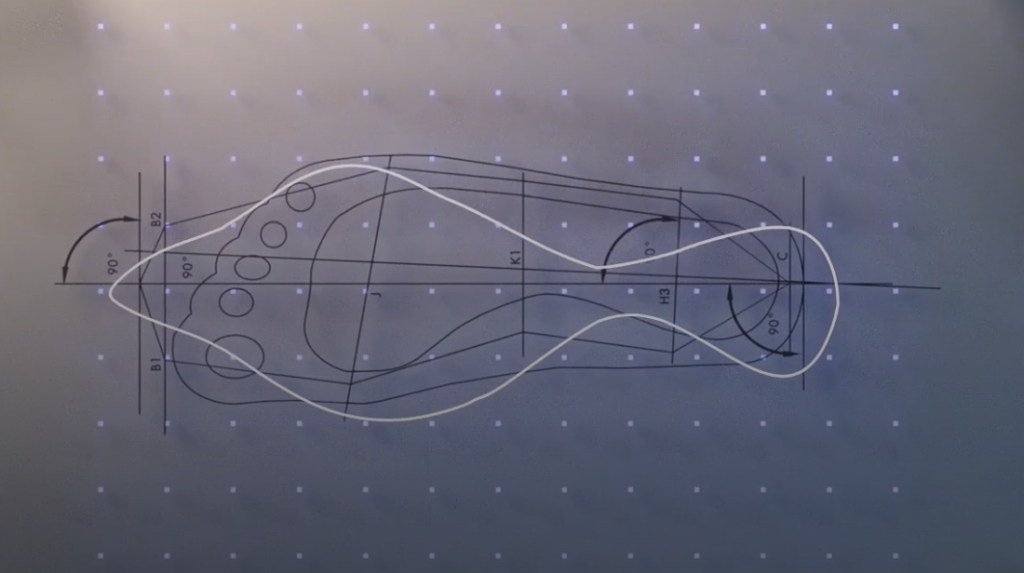
The platform generates separate parametric models for each foot, acknowledging that most people have asymmetrical feet. This approach is uncommon in off-the-shelf footwear, which typically assumes symmetry. The web configurator allows users to adjust parameters such as lattice density, which affects the firmness of the sole. However, the exact range of values and their impact on cushioning are not specified, leaving some uncertainty about the customization options available.
Measurement Process and Technology
The ShoeFactory model represents a shift in how personalized footwear is offered. Instead of selling finished products, Sneakprint sells digital files, placing the responsibility of production on the customer. This approach may appeal to users with 3D printing capabilities but could limit accessibility for those without the necessary equipment. The digital delivery model also reduces the need for physical inventory, aligning with trends in on-demand manufacturing.
Sneakprint’s approach is based on a personal need. Founder Kevin Zürn, who has wide feet and requires orthopedic insoles, struggled to find suitable footwear. His experience led to the development of a company that focuses on custom-fit products. The company previously sold physical sneakers with 3D-printed midsoles, but ShoeFactory extends this concept into a digital format. This personal motivation underscores the company’s commitment to addressing real-world footwear challenges.
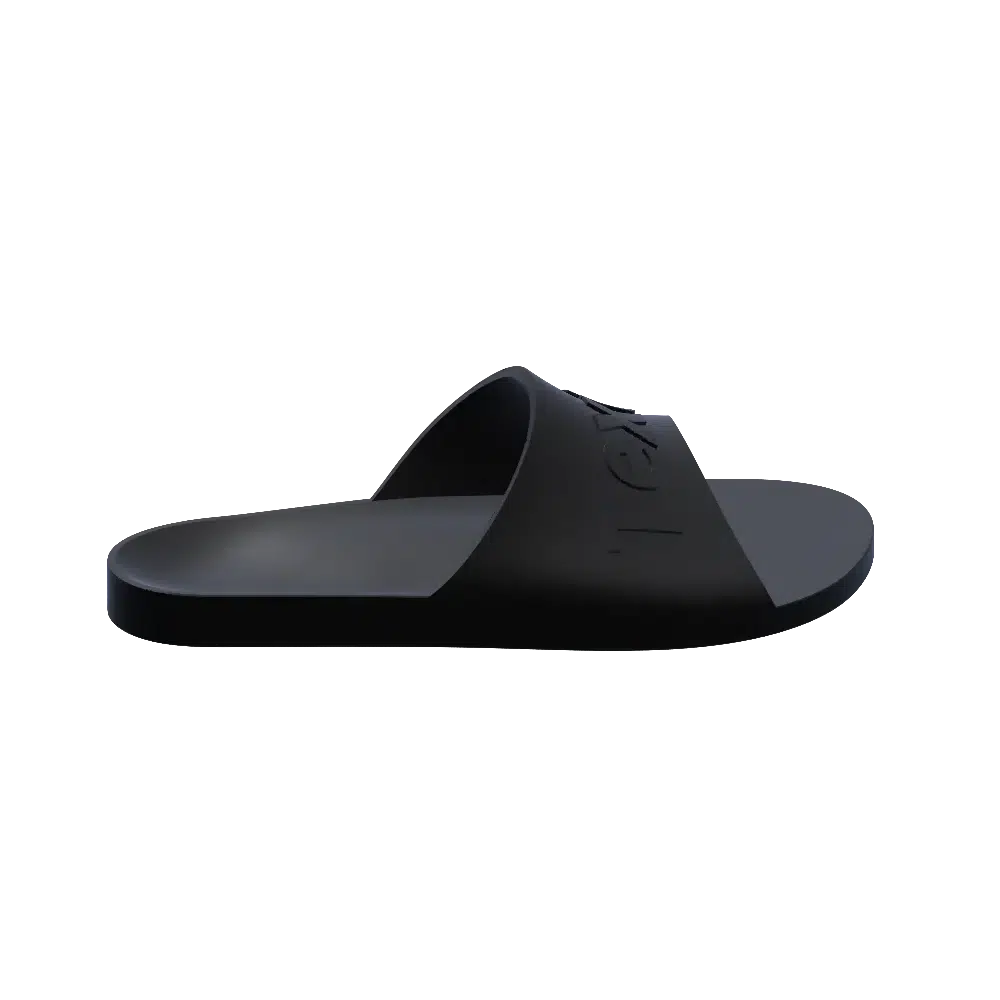
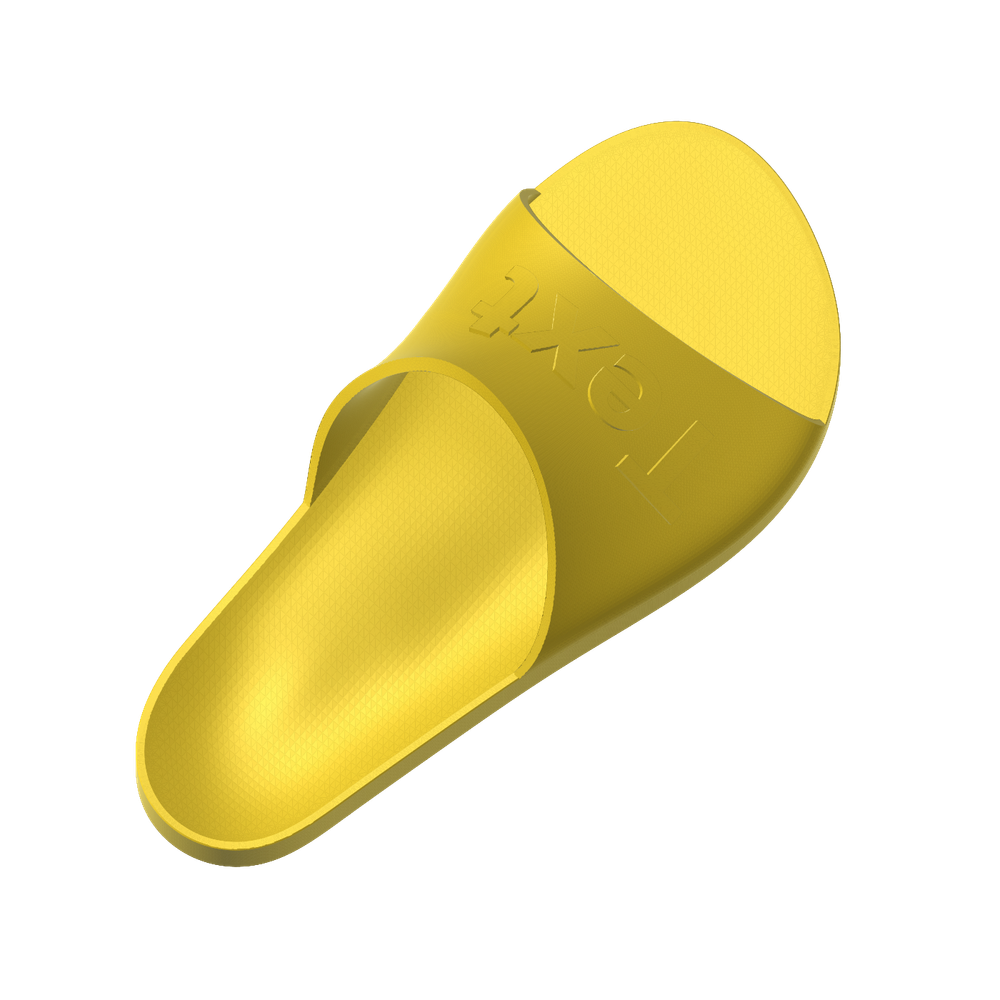
The company’s initial product, the Easy Slide flip-flops, is available in one model. This limited selection suggests a test of the digital customization model rather than a full product line. The focus on a single design allows Sneakprint to refine the process before expanding to other footwear types. The simplicity of the flip-flop design makes it an ideal starting point for testing the platform’s capabilities.
Parametric Design and Customization
The use of 3D printing in footwear is not new, but Sneakprint’s approach is unique in its emphasis on digital delivery. Other companies have used 3D printing for prototyping or limited runs, but Sneakprint is offering a fully customizable, user-printed product. This could influence how other brands approach customization in the future. The company’s model highlights the potential of 3D printing to enable personalized manufacturing at scale.
The ShoeFactory model may appeal to 3D printing enthusiasts and small workshops looking for new applications. It also highlights the potential of parametric design in creating products tailored to individual needs. However, the success of this model depends on the willingness of users to engage in the printing process. The lack of guidance on materials and hardware may pose a challenge for less experienced users.
The company’s background includes a university project from 2015, where the idea of a fictional footwear company was developed. The project evolved into a real business in 2020, after Zürn researched the potential of 3D printing in the footwear industry. This history shows a long-term commitment to the concept of personalized footwear. The transition from a university project to a real company reflects the growing interest in 3D printing for consumer products.
Implications for 3D-Printed Footwear
Research indicates that a significant portion of people wear ill-fitting shoes, leading to foot-related issues. A 2018 study found that between 63% and 72% of participants wore footwear that did not match their foot dimensions. Sneakprint’s approach aims to address this problem by offering a more precise fit through digital customization. The company’s focus on foot-specific geometry aligns with broader efforts to improve footwear comfort and functionality.
The ShoeFactory model could have broader implications for the footwear industry. By shifting production to the customer, it reduces the need for inventory and allows for greater flexibility in design. However, it also requires users to have access to 3D printing technology, which may not be widely available. The model highlights the potential of decentralized manufacturing but also raises questions about accessibility and user expertise.
Sneakprint’s focus on customization aligns with broader trends in additive manufacturing, where personalization is becoming more common. The company’s approach demonstrates how 3D printing can be used to create products that are tailored to individual needs, rather than relying on mass production. This shift reflects a growing demand for personalized solutions in various industries, including fashion and consumer goods.
Log in to leave a reply. Every comment is moderated before it appears publicly.