Published October 10, 2026 at 1:03 PM EDT
A maker repurposes a broken Prusa i3 into an embedded 3D printing system using hair gel as a support medium.
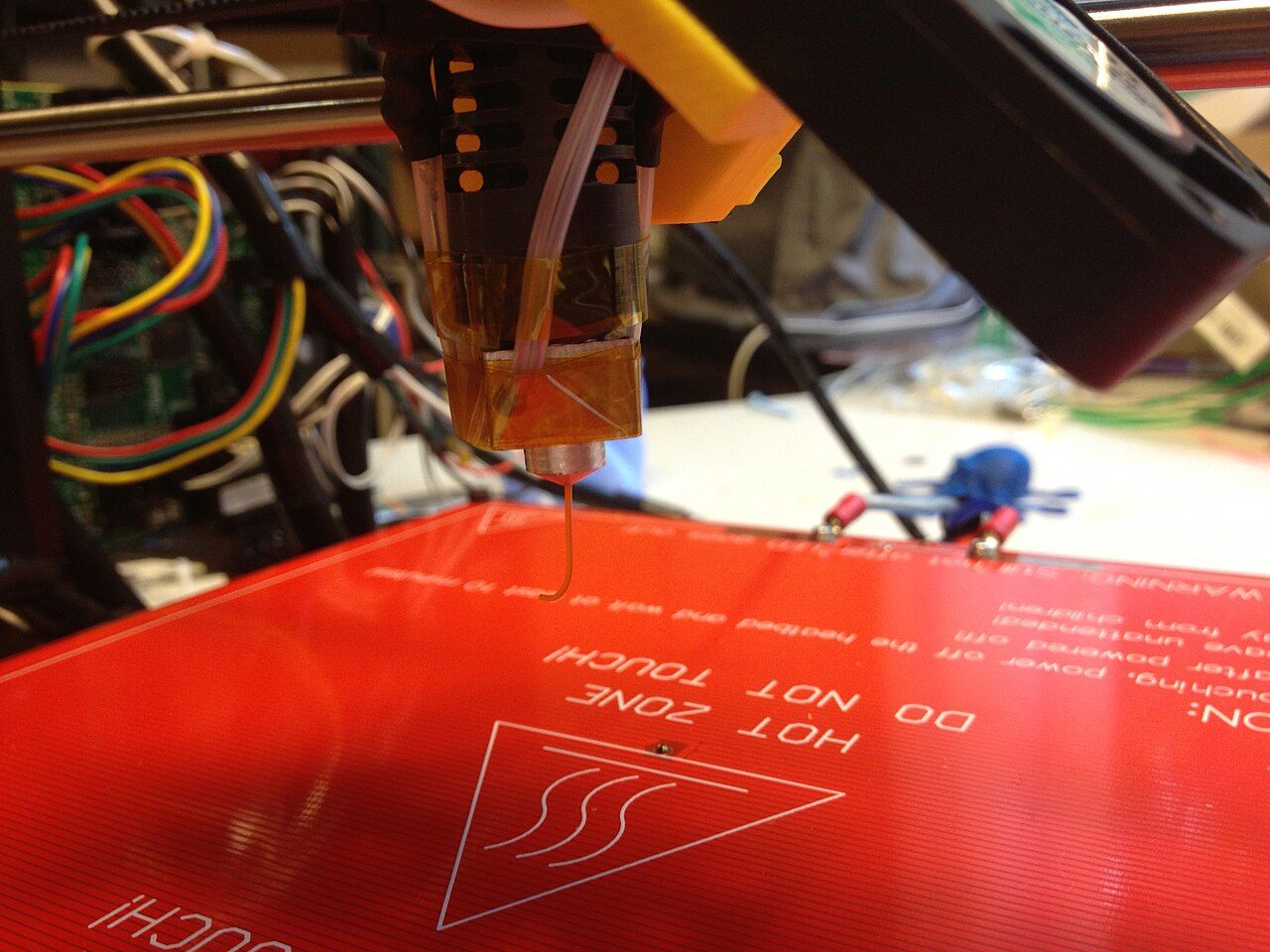
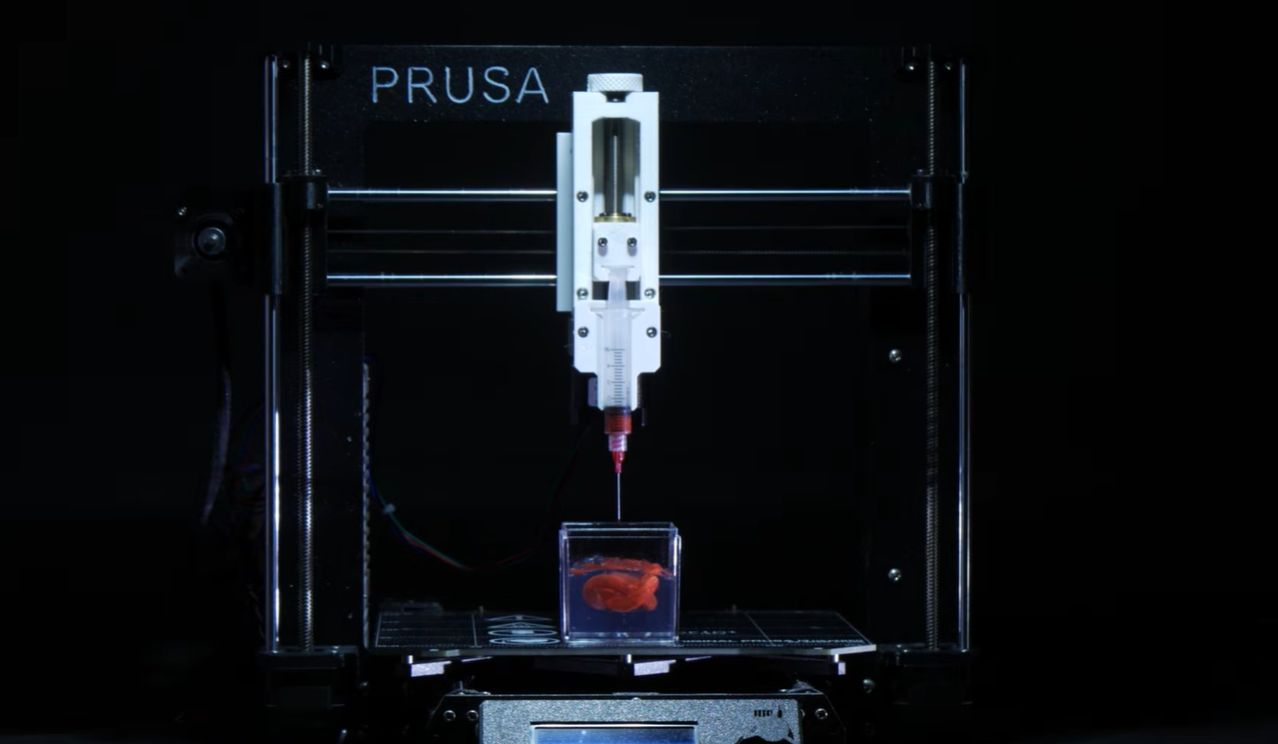
A maker named Riley transformed a Prusa i3 with a dead hot end into a liquid-dispensing rig for embedded 3D printing. The project used an open-source Allstruder syringe extruder and a Caribou Duet 3 control board. This conversion highlights how retired hardware can be repurposed for experimental fabrication techniques. The Prusa i3, once considered a lost cause, found new life through creative adaptation and open-source tools. The project demonstrates that even broken machines can serve as platforms for innovation when given the right modifications.
Repurposing a Bricked Printer
Embedded 3D printing deposits material inside a supportive medium rather than in open air. This method reduces gravitational collapse and allows for freeform toolpaths. A 2026 review in Frontiers in Materials describes the technique as a way to fabricate structures difficult to achieve with conventional additive manufacturing. The supportive medium acts as a temporary scaffold, enabling the creation of complex geometries that would otherwise be impossible. This approach is particularly useful for materials that are too soft or viscous to maintain their shape in open air.
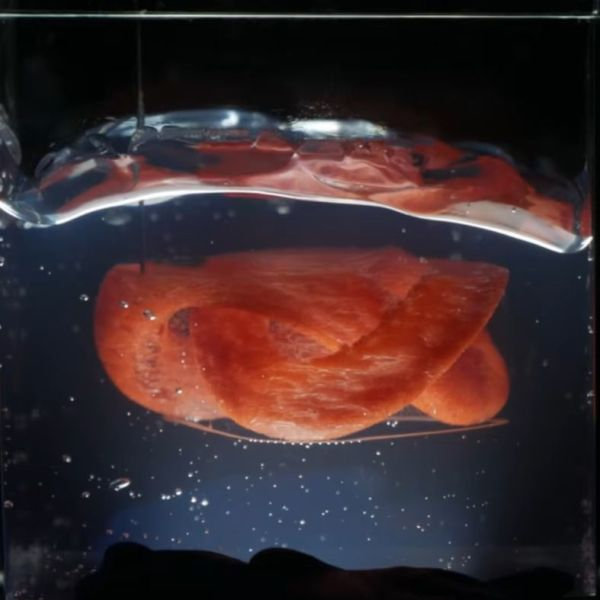
The project tested materials like cream cheese, two-part epoxy, and Sylgard 184 silicone. The final print used hair gel as the supporting medium. This approach demonstrates how accessible embedded printing can be for hobbyists with basic tools and patience. The choice of hair gel as a support medium was both practical and cost-effective, showing that everyday materials can be repurposed for advanced fabrication. The process required careful calibration to ensure the gel provided the right level of support without interfering with the printed material.
The review in Frontiers in Materials emphasizes the importance of rheological matching and interfacial stability. These factors determine how well a material holds its shape within the supporting medium. The study also highlights the need for reliable process-window design to ensure consistent results. Achieving the right balance between the material's viscosity and the support medium's properties is crucial for successful printing. This requires a deep understanding of material behavior and careful experimentation.
How Embedded Printing Works
A 2026 paper in the International Journal of Extreme Manufacturing discusses challenges in printing living tissues using embedded techniques. It describes a self-healing supporting medium that allows for more stable printing of biologically sensitive materials. This research underscores the broader applications of the technique beyond hobbyist use. The ability to print delicate biological structures opens new possibilities in medical and scientific fields, demonstrating the versatility of embedded printing.
Riley's project involved replacing the Prusa's hot end with a syringe system. This setup allows for precise control over material deposition. The Caribou Duet 3 motherboard provides the necessary processing power for managing the extrusion process. The syringe system was chosen for its ability to handle a wide range of materials, from viscous pastes to liquid resins. This modification transformed the printer into a versatile tool for experimental fabrication.
The use of hair gel as a support medium is notable for its simplicity and availability. While not a specialized material, it serves as a viable alternative for testing embedded printing concepts. This approach lowers the barrier to entry for makers interested in exploring the technique. The accessibility of hair gel makes it an ideal starting point for those looking to experiment with embedded printing without significant investment.
Challenges in Material Compatibility
The project also tested cream cheese as a preliminary material. Its consistency made it ideal for verifying the system's functionality before moving to more complex materials like silicone. This step-by-step process is common in maker projects aiming to refine experimental setups. Testing with simpler materials helps identify potential issues and ensures that the system is ready for more demanding applications.
A 2025 paper in Applied Materials & Interfaces discusses the challenges of printing Newtonian fluids like silicone oil. These materials are difficult to control due to their low viscosity. Embedded printing offers a solution by providing a medium that stabilizes the material during deposition. The paper highlights the importance of material compatibility and the need for careful selection of support media to ensure successful printing.
Implications for Makers and Workshops
The review in Frontiers in Materials outlines the key challenges in embedded printing, including structural suspension and the removal of sacrificial material. These factors affect the final quality of the printed object and require careful process optimization. The removal of the support medium after printing is a critical step that can impact the integrity of the final structure. This process must be carefully managed to avoid damaging the printed object.
The project demonstrates that embedded printing is not limited to research labs. With the right tools and materials, hobbyists and small workshops can experiment with the technique. This opens new possibilities for creating complex, soft, or flexible structures. The ability to print with a wide range of materials and geometries makes embedded printing a valuable tool for makers and innovators.
While the project is small in scale, it highlights the potential of embedded printing for a range of applications. From soft robotics to biomedical structures, the technique offers new ways to shape materials that are difficult to work with using traditional methods. The project serves as an inspiration for others looking to explore the possibilities of embedded printing and push the boundaries of what is possible with 3D printing.
Log in to leave a reply. Every comment is moderated before it appears publicly.